Texas Under Water: Catastrophic Floods Devastate Hill Country Communities
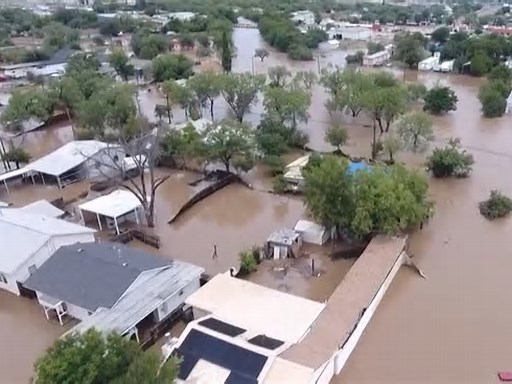
Central Texas has been devastated by a series of violent flash floods that struck without mercy, leaving a trail of destruction across the iconic Hill Country region. Torrential rains, driven by a stalled weather system, caused rivers to overflow at an unprecedented pace, submerging entire towns, sweeping away homes, and leaving hundreds of families displaced.
The heart of the tragedy centers around the Guadalupe River, where water levels rose alarmingly fast — nearly 30 feet in less than an hour — overwhelming flood control systems and catching residents and tourists off guard. Campsites, schools, and neighborhoods were engulfed by rushing waters, transforming quiet areas into scenes of chaos and desperation.
Among the most heartbreaking losses are dozens of children, many attending summer camps in the area. Emergency responders, including local firefighters, the National Guard, and volunteers, have been working around the clock in search-and-rescue missions. Helicopters buzz overhead, boats navigate through debris-filled waters, and command centers have been established to coordinate efforts to locate the missing and provide aid to survivors.
Officials have confirmed over a hundred fatalities, with many more still unaccounted for. The rapid onset of the floodwaters left little time for evacuation, and questions are now being raised about the adequacy of local warning systems. In some communities, alerts were either delayed or failed to reach the population in time. Local leaders have expressed grief and frustration, acknowledging that improvements in communication and infrastructure are desperately needed.
Beyond the tragic loss of life, the economic impact is immense. Family farms have been ravaged, livestock drowned, and crops destroyed. Roads and bridges have been washed out, isolating entire towns and complicating relief efforts. Preliminary estimates place the financial toll in the hundreds of millions of dollars, and experts warn that the full scale of the disaster may not be clear for weeks.
Environmental scientists are also pointing to a concerning pattern. As climate change continues to intensify weather events, Texas — and particularly the Hill Country — remains highly vulnerable. Its unique topography of steep slopes and shallow soil makes it one of the most flood-prone regions in the United States, often referred to as “Flash Flood Alley.”
State authorities have declared multiple counties as disaster zones, activating emergency funds and calling for federal support. Shelters have been set up in schools, churches, and community centers, where families are receiving food, clothing, and medical care. Meanwhile, local communities are rallying to provide relief, with volunteers distributing supplies and offering shelter to those who have lost everything.
In the aftermath of this natural catastrophe, Texans are left not only to mourn but to rebuild. The pain is raw, the scars are fresh, and the questions are many. What could have been done to prevent such devastation? How can systems be improved to protect lives in the future?
One thing remains clear: the resilience of the people of Texas is being tested, but their response — grounded in compassion, unity, and determination — is already showing signs of hope. Amid the ruin, there is resolve. And as the waters slowly recede, a long road to healing begins.