Strategic Reversal: Trump Backs Down and Cancels Deployment to San Francisco After Federal Pushback
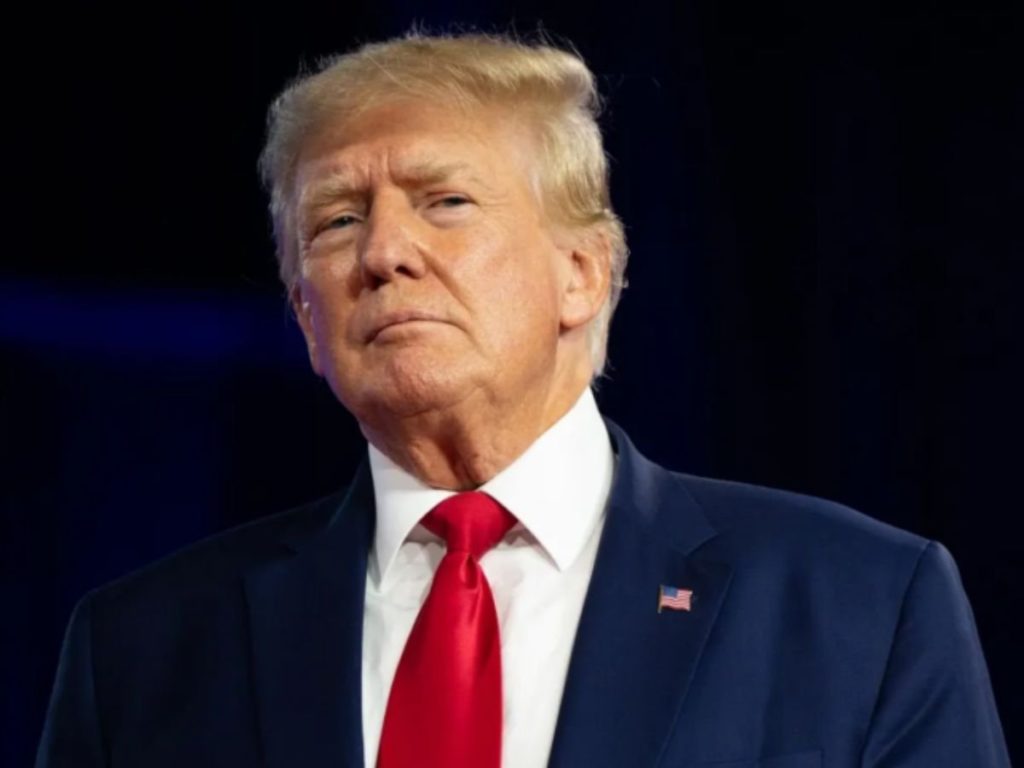
Donald Trump
In a surprising shift in domestic security strategy, U.S. President Donald Trump has decided to suspend the deployment of federal agents — and potentially National Guard troops — to the city of San Francisco. The move follows intense behind-the-scenes discussions involving local leaders, major tech industry executives, and top federal security officials.
Trump’s reversal marks the end of what was seen as part of a broader federal mobilization plan targeting Democrat-led cities. San Francisco had been among the cities included in this initiative, with previous similar operations launched in Los Angeles and Washington, D.C. The stated goals were to combat illegal immigration, urban crime, and maintain control over public spaces deemed “high-risk.”
However, a wave of private negotiations appears to have changed the president’s course. Sources close to the administration suggest that several Silicon Valley executives warned of the potential economic and reputational damage that a visible military or federal presence could cause in the Bay Area. At the same time, San Francisco’s mayor insisted that local security measures were already in place, arguing that federal intervention would disrupt ongoing efforts and undermine cooperation between municipal and federal authorities.
Trump’s decision highlights two conflicting forces: the expansion of federal power into local security matters — a key issue for his conservative base — and the potential political fallout of targeting progressive cities with strong Democratic leadership. While the reversal doesn’t completely abandon the broader strategy, it exposes political vulnerability and recalibration within the administration.
Practically speaking, the suspension means that the Coast Guard base preparing to receive federal agents will remain inactive for now, and logistical plans for patrols and coordination have been halted. It remains unclear whether the suspension applies solely to San Francisco proper or the wider Bay Area region.
For local officials, the announcement was received as both a political and institutional victory. The city’s leadership reaffirmed its commitment to tackling crime “through coordinated and transparent actions that respect local autonomy.” Meanwhile, critics of the president argue that the decision reflects a concession to corporate and regional pressure, undermining his campaign’s narrative of federal assertiveness.
National security analysts view the episode as part of a deeper debate about the limits of federal authority in matters traditionally handled by state and municipal governments. How far can the executive branch go in imposing federal intervention before it is seen as political overreach or the militarization of civilian spaces? The balance between local independence and centralized control lies at the heart of this discussion.
With this move, Donald Trump signals that his “law and order” strategy is not immune to political calculation. Deployments once portrayed as inevitable are now subject to negotiation, influence, and public reaction. Whether similar reversals will follow in other cities remains to be seen, but the San Francisco case already demonstrates that federal power — even under a strong-willed presidency — faces limits when business interests, local governance, and public opinion align against it.