Rethinking Ingestible Fluoride: New Restrictions for Children in Focus
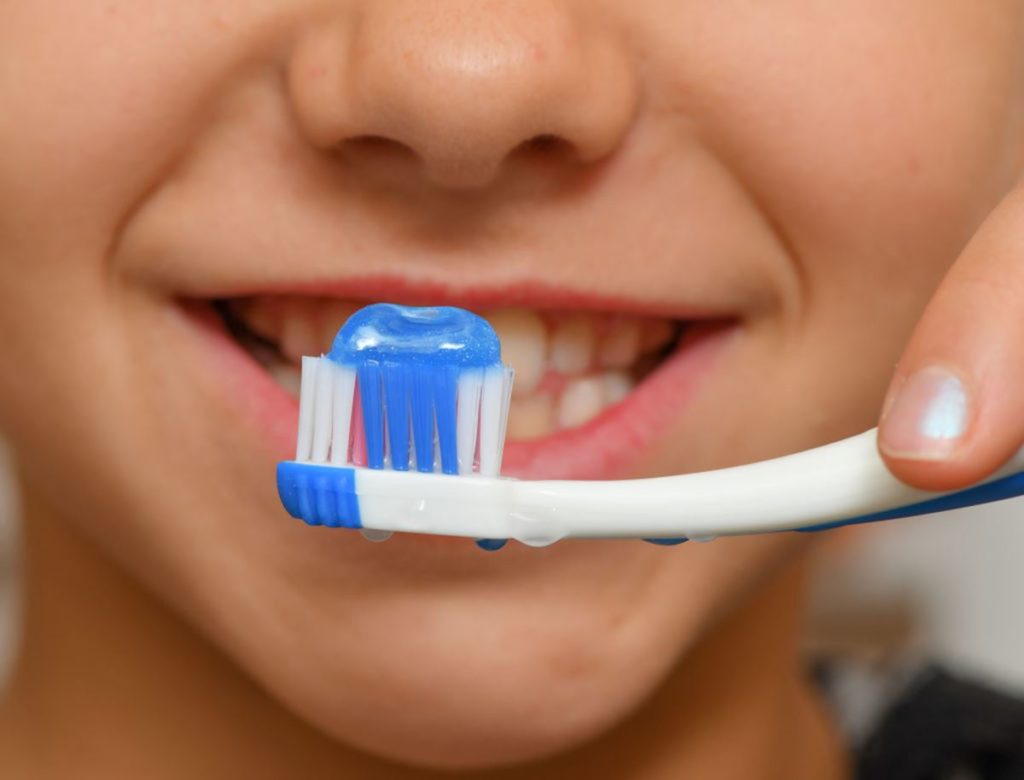
A recent decision by a leading U.S. regulatory agency has drawn global attention to the use of ingestible fluoride products in children. Supplements such as drops, tablets, or oral solutions are now under stricter scrutiny, with usage being limited for children who are not at high risk for dental cavities. This move highlights the ongoing balance between preventive dental care and child safety, prompting reflection on best practices worldwide.
Fluoride has long been recognized as a cornerstone in the prevention of dental decay, particularly when added to public water supplies or applied topically through toothpaste and professional treatments. However, ingestible forms—those that children swallow—have raised new concerns. Evidence suggests that while effective in certain contexts, these products may carry risks that have previously been underappreciated.
One of the central concerns is the potential impact on the developing gut microbiome. Children’s intestinal ecosystems are delicate, and routine ingestion of fluoride could influence microbial balance, with effects that may extend to overall metabolism and even neurocognitive development. Additional studies have also explored possible links between high fluoride exposure and thyroid function, weight variation, or subtle cognitive changes, though these effects appear primarily in cases of excessive intake rather than standard usage.
The regulatory guidelines now recommend that ingestible fluoride supplements should not be administered to children under three years old or to those with a low risk of dental cavities. Topical applications, such as fluoride toothpaste, varnishes, and mouth rinses, remain safe and strongly recommended when used appropriately for age and risk level. This distinction reinforces the principle that the route of administration matters as much as the dosage itself.
Reactions within the dental and public health communities have been varied. Advocates of the new restrictions emphasize child safety and precaution, celebrating a more targeted approach to fluoride use. Conversely, some professionals point out that in regions lacking fluoridated water or with limited access to dental care, these supplements have historically played a vital role in cavity prevention. Abrupt limitations could inadvertently increase dental decay, creating a public health challenge for vulnerable populations.
For health systems and caregivers, the shift underlines the need to focus on comprehensive prevention strategies. Encouraging good oral hygiene from an early age, monitoring fluoride intake carefully, and providing individualized assessments of cavity risk are critical. The decision also reinforces the importance of topical fluoride applications as the safest and most controlled method of delivering its benefits.
In essence, the restriction on ingestible fluoride for certain children does not diminish the importance of fluoride itself; rather, it represents a recalibration. The goal is to ensure that preventive care is safe, effective, and appropriate for each child’s individual risk profile. As this new approach takes hold, dental health professionals, parents, and policymakers are challenged to balance protection, prevention, and safety—ensuring that children continue to benefit from one of the most powerful tools against tooth decay while minimizing potential harm.
This development marks a turning point in pediatric dental care: one that emphasizes precision, evidence-based practice, and the careful management of risks, reinforcing the principle that effective prevention is both nuanced and individualized.