Oil, Power, and Geopolitics: U.S.–Venezuela Deal Reshapes the Energy Landscape
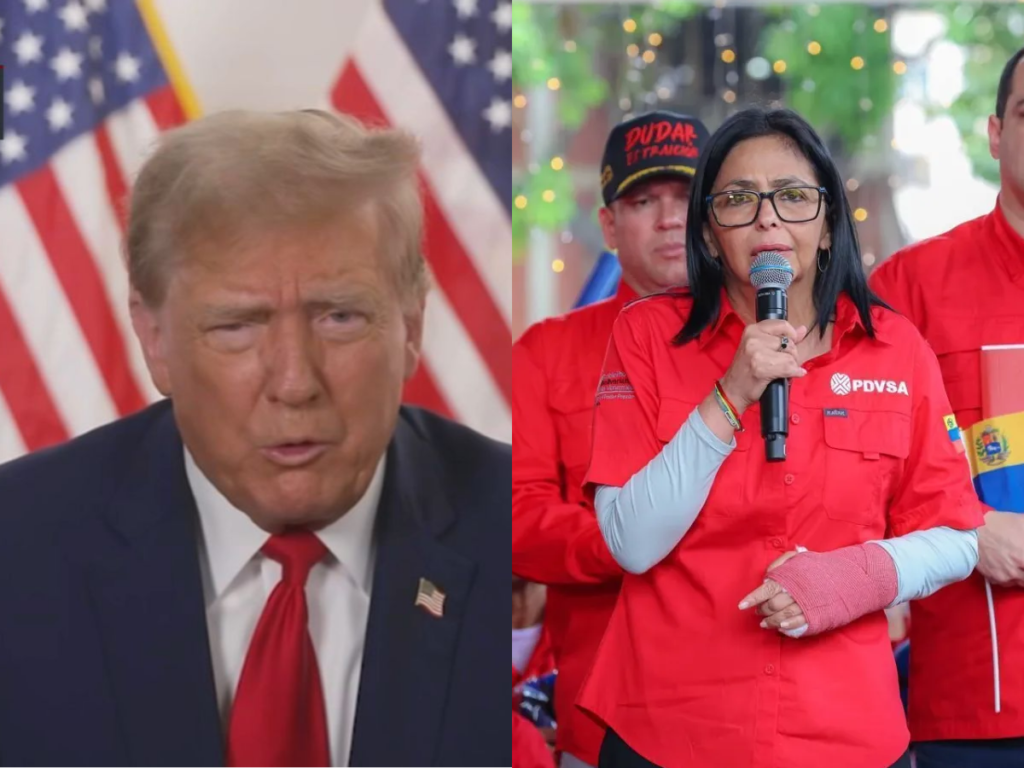
A dramatic shift in hemispheric geopolitics unfolded after U.S. President Donald Trump announced an agreement granting the United States access to Venezuelan oil following the capture of Venezuelan leader Nicolás Maduro. The move signals a profound reconfiguration of relations between Washington and Caracas and places energy resources once again at the center of international power dynamics.
According to the announcement, the agreement allows large volumes of Venezuelan crude oil to be supplied to the United States, with control over commercialization managed by U.S. authorities. The deal is being framed by the White House as a strategic victory, strengthening American energy security while leveraging Venezuela’s vast natural resources during a moment of political transition and institutional fragility in the South American nation.
Venezuela possesses one of the largest proven oil reserves in the world, yet its production capacity has sharply declined over the past decade. Chronic underinvestment, deteriorating infrastructure, international sanctions, and political instability have severely weakened the country’s once-dominant oil industry. Against this backdrop, the newly announced arrangement represents a turning point that could alter long-standing global energy flows.
From Washington’s perspective, the agreement is more than a commercial transaction. It is presented as a strategic maneuver designed to stabilize domestic energy markets, increase supply, and reinforce the United States’ influence over key sources of fossil fuels. The administration argues that managing Venezuelan oil exports under U.S. oversight will help prevent market disruptions and ensure predictable pricing, while also opening avenues for future investment in regional energy infrastructure.
The political implications, however, are far-reaching. The circumstances surrounding Maduro’s capture have sparked international debate, with critics raising concerns about sovereignty, intervention, and the legitimacy of decisions made during a period of political upheaval. The oil deal, announced shortly after these events, has intensified scrutiny over whether Venezuela’s natural wealth is being negotiated under conditions of unequal power.
Inside Venezuela, reactions are deeply divided. Some political actors and segments of the population view the agreement as a necessary step to revive an economy devastated by years of crisis. For them, renewed oil exports—regardless of who controls the process—offer a potential lifeline, generating revenue and restoring a measure of stability.
Others see the deal as a surrender of national sovereignty. They argue that placing Venezuela’s most valuable asset under foreign control risks turning the country into a mere supplier, with limited say over pricing, investment priorities, or the distribution of profits. These critics warn that without strong institutions and transparent governance, the benefits of increased oil exports may bypass the broader population altogether.
Internationally, the announcement has been met with cautious observation. Energy-producing nations and global markets are closely monitoring the situation, aware that a significant increase in Venezuelan oil flowing to the United States could influence global supply levels and pricing dynamics. Regional governments are also assessing how the move may alter political alignments across Latin America, particularly in countries that have historically maintained economic or ideological ties with Caracas.
The episode underscores a familiar reality of international politics: energy remains one of the most powerful instruments of influence. By tying oil access to political change, the United States has reaffirmed its willingness to use economic leverage to shape outcomes beyond its borders. At the same time, Venezuela once again finds itself at the center of a high-stakes global contest, where control over natural resources intersects with questions of power, legitimacy, and national future.
As the agreement moves toward implementation, its long-term consequences—for Venezuela’s recovery, U.S. energy strategy, and regional stability—remain uncertain. What is clear is that oil, once again, has become a decisive force reshaping the political and economic map of the Americas.