When Praise Becomes Politics: Biden Credits Trump for Ceasefire but Claims His Own Hand in Peace
Biden
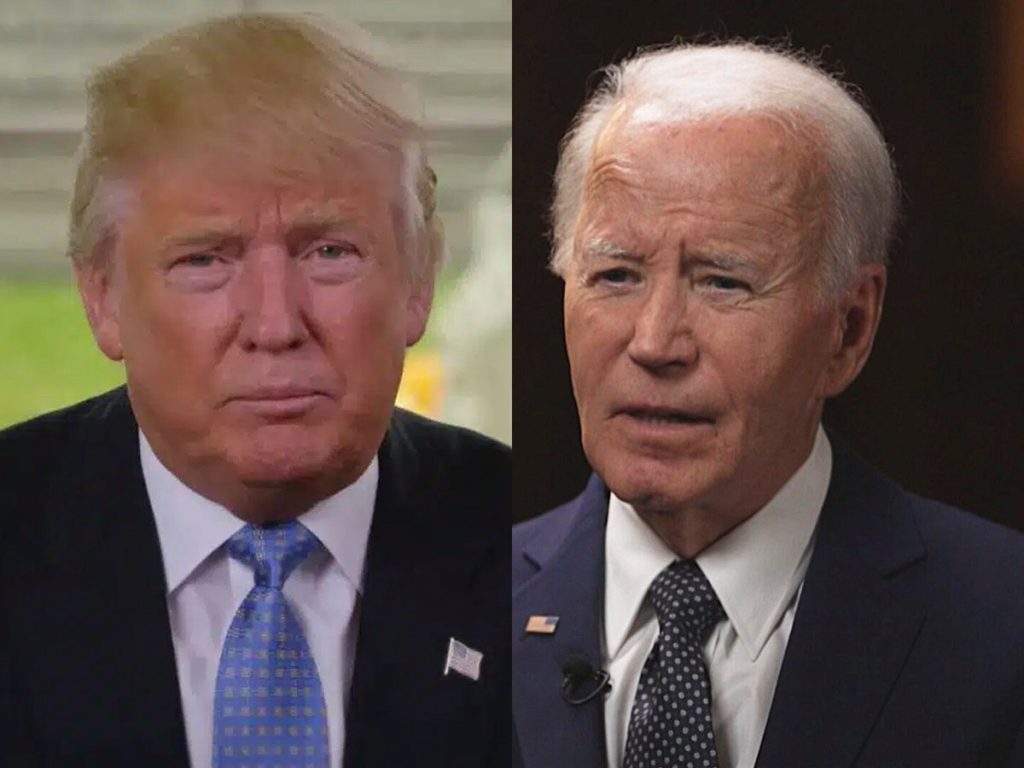
In a rare moment of bipartisan diplomacy, Joe Biden publicly commended Donald Trump for brokering the latest ceasefire between Israel and Hamas — yet carefully positioned himself as a key player in achieving peace. The remarks, layered with political nuance, reveal an ongoing struggle over credit, leadership, and legacy in American foreign policy.
Biden acknowledged that “the path to this agreement was not easy,” emphasizing that his administration “worked tirelessly to bring the hostages home, deliver humanitarian aid to Palestinian civilians, and help end the war.” While he applauded Trump and his team “for getting the renewed ceasefire across the finish line,” the former president quickly reminded global audiences of his own contributions to the process.
The strategy behind such a statement runs deep. On one hand, Biden seeks to soften criticism of his foreign policy record, portraying himself as an active participant in de-escalation efforts. On the other, he subtly reclaims part of the victory, framing the ceasefire not merely as Trump’s diplomatic success, but as the result of long-term groundwork laid during his own administration.
The ceasefire, formalized through a 20-point agreement brokered by Washington, introduced complex terms for prisoner exchanges. Israel released roughly 20 hostages, while Hamas saw around 2,000 Palestinian prisoners freed — an imbalance that sparked both praise and controversy. The numbers alone turned the accord into a symbolic power play, raising questions about moral victories and political capital.
For Biden, acknowledging Trump’s role was not merely a gesture of goodwill. It was a calculated move to present himself as a statesman willing to rise above partisan divides — a message aimed at both international partners and domestic voters weary of polarization. By positioning himself as both humanitarian and pragmatic, Biden projects the image of a leader who values peace over politics, even as he subtly writes himself into the historical record.
This balancing act illustrates how modern diplomacy extends beyond closed-door negotiations. Every public statement becomes a move in a global chess game where words are weapons, and narratives can define entire legacies. In praising Trump while asserting his own involvement, Biden reframed the ceasefire not as a single administration’s triumph, but as a shared American achievement — one that transcends party lines yet still feeds electoral symbolism.
The political undertones are unmistakable. The ceasefire may have halted weapons fire in the Middle East, but it ignited a new battle in Washington: the fight over who gets to claim the mantle of peacemaker. And in that contest, every word, every gesture, and every carefully chosen phrase can determine not just headlines — but history itself.