New York Turns a Political Page: First Muslim Mayor Challenges Trump and Redefines the City’s Power Map
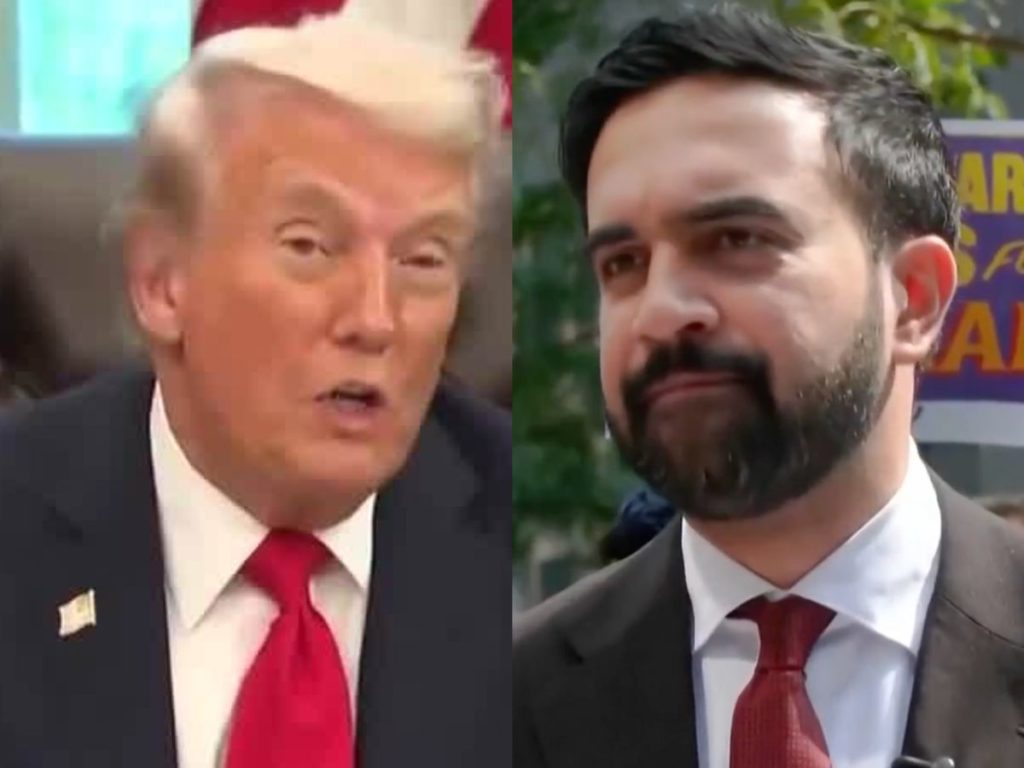
Donald Trump e Zohran Mamdani
The election of Zohran Mamdani as the new mayor of New York marks a historic and transformative moment in American politics. At 34, Mamdani becomes the city’s first Muslim mayor — a victory that carries profound symbolic weight, not only because of his faith but also because of his progressive, openly socialist platform and his outspoken opposition to former president Donald Trump.
Mamdani’s rise reflects a shift in New York’s political landscape. Born to Ugandan and South Asian parents, he built his career in the city championing affordable housing, free public transportation, and stronger social safety nets. His campaign resonated deeply with young voters, working-class families, and historically marginalized communities — a coalition united by frustration with economic inequality and the high cost of living.
For Trump and his conservative allies, Mamdani’s victory represents a stinging symbolic defeat. Throughout the campaign, the former president and right-wing figures painted the candidate as “dangerous,” exploiting anti-Muslim sentiment and fears of “radical socialism.” But in a city known for its diversity and resilience, those attacks only energized Mamdani’s base and underscored the cultural divide shaping modern American politics.
Now, as mayor, Mamdani faces the challenge of translating his activist-driven message into pragmatic governance. While he remains committed to his progressive values, he has signaled a willingness to engage with business leaders and political opponents to address pressing issues — particularly the housing crisis and inflation that have strained millions of New Yorkers. His ability to balance ideology with management will define whether his administration becomes a model for inclusive urban leadership or a cautionary tale of political overreach.
Critics, especially from conservative and corporate sectors, express concern over Mamdani’s economic proposals and his critical stance on U.S. foreign policy. Yet, even among skeptics, there is recognition that his election reflects an undeniable demographic and cultural shift. The fact that a Muslim, immigrant-descended, openly leftist candidate can now lead America’s largest city suggests a reconfiguration of what political power looks like in the 21st century.
Beyond local governance, Mamdani’s election holds global resonance. It challenges stereotypes about Muslim identity in Western politics and amplifies the voices of communities that have long been underrepresented in major institutions. His victory speaks to a broader transformation — one in which political participation increasingly mirrors the multicultural reality of urban America.
For New York, his administration will be more than a political experiment. It represents a test of whether grassroots energy and progressive ideals can effectively navigate the bureaucratic and financial constraints of one of the world’s most complex cities. Mamdani inherits not just a city in flux, but a symbolic role as a bridge between faith, diversity, and democracy.
As he prepares to take office, all eyes are on him. Zohran Mamdani embodies both the promise and the tension of a changing America — one where new voices rise, old power structures are questioned, and the future of leadership looks more diverse than ever before.