Man’s Best Friend: Sabrina Carpenter Sparks Debate on Sexuality and Female Power
Sabrina Carpenter
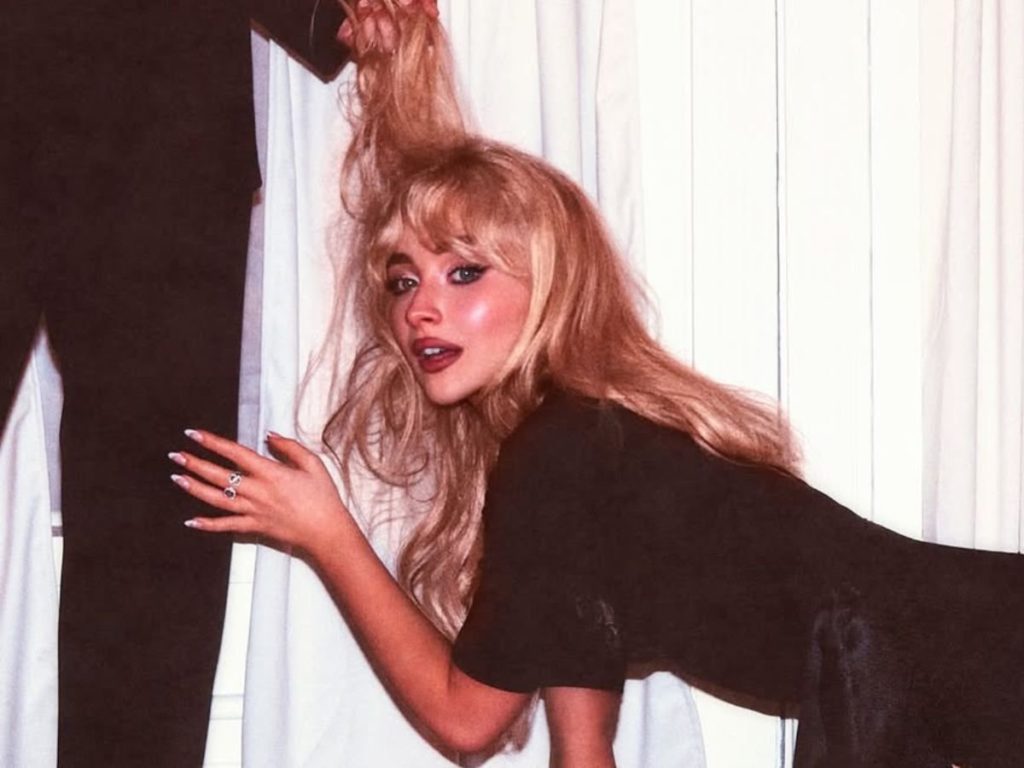
With her seventh album, Man’s Best Friend, Sabrina Carpenter ignites a heated debate on the boundaries between provocation, female empowerment, and unapologetic sexuality. The singer has pushed her own image to new extremes with a provocative cover — showing her on all fours while a man holds her hair — a choice she has defended through both her lyrics and live performances.
The release campaign did not go unnoticed. The album cover quickly became a symbol of Carpenter’s artistic strategy, blending irony, theatricality, and political undertones. Critics of the image called it a regression to female objectification, accusing the star of reinforcing submissive stereotypes that cater to the male gaze. Some went further, interpreting it as a depiction of patriarchal power and symbolic violence.
Yet, many others viewed it as a deliberate inversion of roles. Supporters argue that Carpenter stands in the tradition of artists like Madonna — women who confront cultural puritanism with humor and boldness. For them, the cover and title suggest not submission, but ironic appropriation of traditional tropes. In a pop landscape where women are expected to constantly project “strength,” Carpenter’s approach disrupts expectations with wit and critique. That disruption, her fans argue, sparks necessary reflection on women’s place in society and pop culture.
The controversy extended beyond the static cover. In the music video for Tears, Carpenter embraces explicit sensuality through pole dancing and a cult-inspired aesthetic reminiscent of The Rocky Horror Picture Show. Alongside drag performers who celebrate gender fluidity and challenge rigid norms, she stages an environment of liberated eroticism. While many fans praised the video as playful, artistic, and empowering, detractors criticized it as excessive provocation — particularly sensitive in a culture quick to police young women’s sexuality.
In interviews, Carpenter has addressed the uproar directly. She frames her artistic intent as an exploration of sexuality with honesty — a natural stage in her personal and creative evolution. She has also stressed that her family, including her parents, fully supports her choices, reinforcing the idea that her work is not shock for shock’s sake but a reflection of her authentic voice.
Ultimately, Man’s Best Friend goes far beyond the realm of a pop album. It functions as a visual, lyrical, and symbolic statement on female autonomy, self-awareness, and the dilemmas of public image in an age of moral polarization. The controversy is not an unintended consequence but rather part of the project’s purpose: Carpenter positions herself squarely at the center of the cultural conversation about what it means to be a woman, an artist, and the author of her own narrative.