Heist at the Louvre: The Bold Theft That Shook France’s Cultural Core
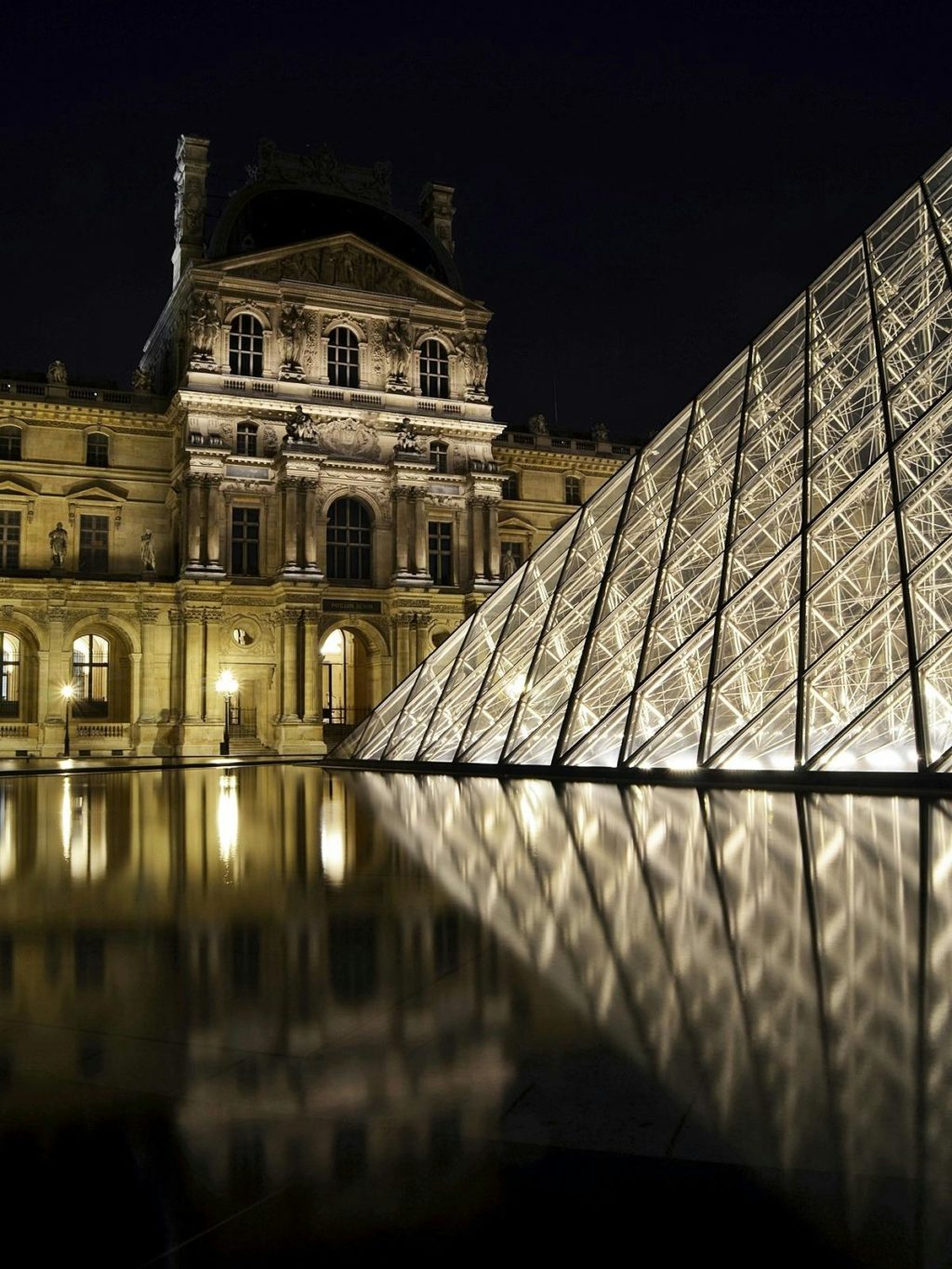
Paris woke up to disbelief after an audacious and meticulously executed robbery struck at the very heart of French heritage. The Louvre Museum — the most visited museum in the world — remains closed following the theft of nine priceless jewels from the collection of Napoleon Bonaparte and Empress Joséphine. Among the stolen items are a diamond-studded tiara, a gold brooch, and an imperial necklace once displayed in the museum’s iconic Galerie d’Apollon.
The heist unfolded like a scene from a Hollywood thriller. In the early hours of the morning, a group of masked thieves used a construction crane to break through a side window of the Louvre’s historic building. Once inside, they disabled motion sensors and shattered the display cases with precision tools. Within seven minutes, the operation was complete. The robbers fled the scene on high-powered motorcycles before police could respond.
Authorities say no alarms were triggered during the burglary — a fact that has led investigators to suspect insider involvement or a leak of confidential security information. The operation’s sophistication suggests months of planning and intimate knowledge of the museum’s surveillance routines.
The stolen pieces are of immeasurable cultural and historical value. The Empress’s tiara, crafted in the early 19th century, was considered one of the finest surviving symbols of the Napoleonic era. The necklace and brooch, created by master jewelers of the House of Chaumet, were not just adornments but artifacts that told the story of French imperial grandeur. Their combined market value could reach tens of millions of euros, but experts emphasize that their true worth lies far beyond money.
France’s Interior Minister described the case as a “major theft,” while the Minister of Justice went further, acknowledging serious security failures and calling the event “a national humiliation.” For a country that prides itself on being the guardian of world art and culture, the incident has sparked outrage and embarrassment.
The Louvre has suspended public visits indefinitely as investigators and art experts work alongside Interpol to track down the missing jewels. International auction houses and border authorities are on high alert, fearing the artifacts could be dismantled or smuggled abroad — a common fate for stolen masterpieces.
Experts believe the robbery bears the hallmarks of a highly organized international art trafficking network, capable of executing rapid, coordinated operations. Yet beyond the logistics, the heist strikes a deep emotional chord with the French public. It is not merely the loss of precious objects — it is an assault on the very soul of France’s cultural identity.
The Louvre heist reignites a global debate about museum security and the delicate balance between public access and protection of cultural heritage. While investigators race to recover the treasures, one truth remains: even if the jewels are found, rebuilding trust in the security of the world’s greatest museum may prove an even greater challenge than the theft itself.