Four Stories, One Revolution: Cinema Reimagines the Lives of The Beatles
timepostnews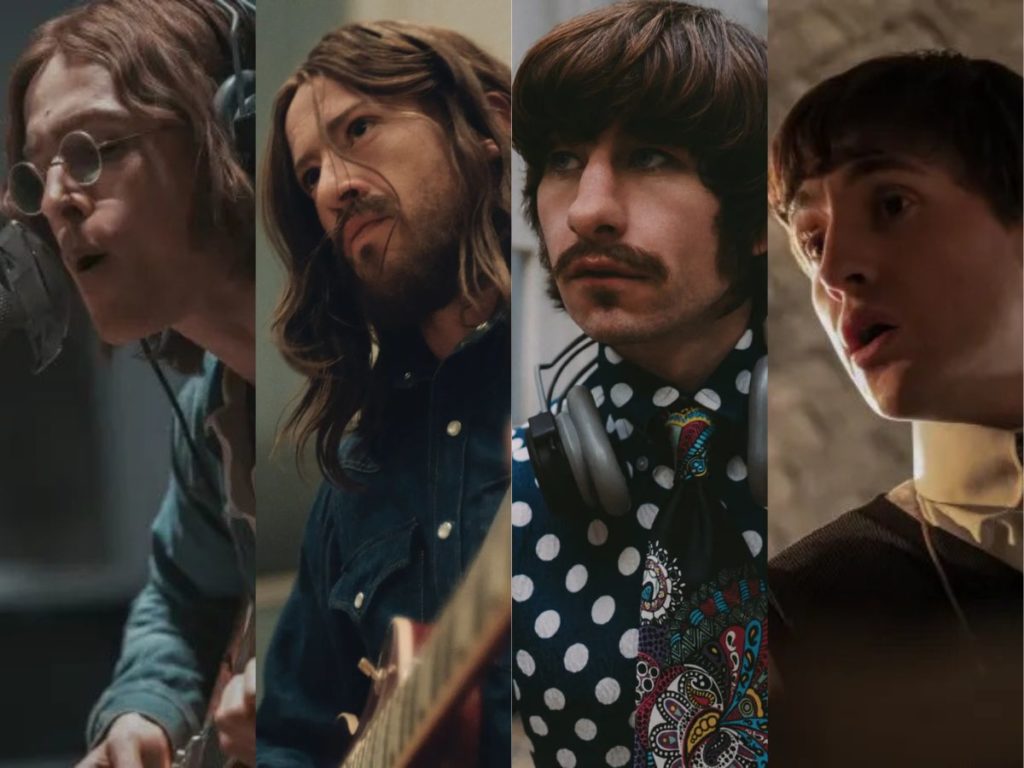
One of the most influential bands in modern history is preparing to return to the spotlight through an ambitious cinematic project that aims to redefine how The Beatles are portrayed on screen. Rather than offering a single, linear biopic, the new production takes a bold narrative approach: four interconnected films, each dedicated to the personal journey of John Lennon, Paul McCartney, George Harrison, and Ringo Starr.
Early images of the actors transformed into the legendary musicians have sparked widespread interest, not only for their striking physical resemblance but for what they represent. The project signals a shift away from mythologizing the band as an untouchable cultural monument. Instead, it seeks to present the Beatles as complex individuals—artists shaped by personal struggles, creative tensions, and the pressures of unprecedented global fame.
The films aim to explore how four very different personalities came together to form a creative force that reshaped popular music and culture. By focusing on individual perspectives, the narrative allows viewers to witness shared events through different emotional and psychological lenses. Moments of triumph, conflict, innovation, and fracture are revisited not as a single official version of history, but as lived experiences that varied from one band member to another.
The visual presentation reflects meticulous attention to detail. Costumes, hairstyles, and mannerisms evoke the distinct phases of the band’s evolution, from their early days marked by youthful energy and raw rock influences to later periods defined by artistic experimentation and introspection. The careful design underscores a broader commitment to authenticity while avoiding exaggerated imitation.
Casting choices further reinforce the project’s contemporary sensibility. The actors portraying the Beatles belong to a new generation of performers known for their versatility and emotional range. This decision suggests an intention to connect the band’s story with modern audiences, emphasizing timeless themes such as identity, friendship, ambition, and creative rivalry. The films are positioned not just as historical portraits, but as character-driven dramas.
Beyond music, the project revisits the Beatles’ broader cultural impact. Their influence extended far beyond charts and concert halls, shaping fashion, language, social attitudes, and the very structure of the music industry. The films aim to contextualize the band within a period of rapid cultural change, highlighting how their work both reflected and accelerated shifts in youth culture, art, and self-expression.
Key moments in the band’s trajectory are expected to receive particular focus: the rise of global fame and its emotional toll, the strain of constant public scrutiny, internal disagreements over creative direction, and the gradual unraveling of a partnership that once seemed unbreakable. Rather than framing the band’s breakup as a simple ending, the narrative treats it as an inevitable outcome of growth, divergence, and individual evolution.
By dividing the story into four cinematic perspectives, the project offers audiences a richer, more layered understanding of The Beatles. Each film stands on its own while contributing to a larger mosaic, reinforcing the idea that the band’s greatness emerged not despite their differences, but because of them.
More than a tribute, the series represents a reexamination of one of music’s most enduring legacies. Through a modern storytelling lens, it invites viewers to rediscover The Beatles not only as icons, but as human beings whose creativity and contradictions continue to resonate across generations.