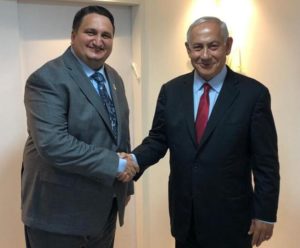
Diplomacy Back in Motion as Trump and Zelensky Signal Progress in War Talks
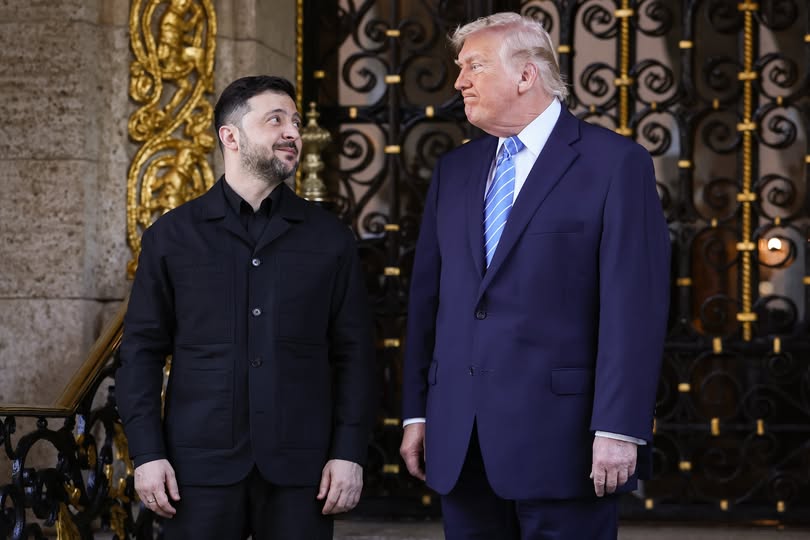
Former United States president Donald Trump indicated that discussions surrounding the war in Ukraine have entered a more promising phase after a direct meeting with Ukrainian president Volodymyr Zelensky. The encounter, marked by firm positions and cautious optimism, has renewed international attention on the possibility of diplomatic movement after a prolonged period of stalemate and uncertainty.
According to statements made after the meeting, Trump described the conversation as constructive and pointed to what he called “real progress” in addressing key issues tied to the conflict. While no concrete agreements were announced, the tone of the exchange suggested an openness to continued dialogue and a willingness to explore alternatives to a purely military trajectory. For many observers, this alone represents a notable development in a war that has deeply reshaped global politics and security.
The discussion reportedly centred on the broader strategic landscape of the conflict, including security guarantees, regional stability and the humanitarian impact on civilians. Trump emphasised the importance of direct communication between leaders, arguing that sustained dialogue can create opportunities to reduce tensions and identify common ground, even when positions remain far apart. His remarks reinforced a recurring theme of his political approach: that personal engagement can unlock diplomatic paths others may overlook.
Zelensky, in turn, approached the meeting with a more restrained posture. While acknowledging the importance of international dialogue, the Ukrainian leader reiterated that any progress must respect Ukraine’s sovereignty and territorial integrity. He stressed that negotiations must be backed by clear principles and tangible commitments, not only by statements of intent. For Kyiv, diplomatic engagement is inseparable from guarantees that protect the country’s independence and the safety of its population.
International analysts view the meeting as part of a broader shift in tone rather than a turning point in itself. After years of intense fighting, economic strain and mounting human costs, there is growing recognition that diplomatic channels cannot remain secondary indefinitely. The renewed focus on talks reflects both strategic fatigue and increasing pressure from global actors seeking stability in an increasingly volatile international environment.
Trump’s involvement also highlights the complex role of political influence beyond formal office. Despite no longer holding the presidency, he remains a central figure in American politics, and his views continue to resonate internationally. His comments suggest an attempt to position himself as a potential broker or facilitator, appealing to constituencies that favour negotiation over prolonged confrontation.
Still, experts caution against interpreting the meeting as an imminent breakthrough. Conflicts of this scale are shaped by deep-rooted historical, political and security factors that rarely yield to swift solutions. Any diplomatic process is likely to be gradual, uneven and vulnerable to setbacks. Expectations, therefore, remain measured.
Even so, the symbolic value of renewed dialogue should not be underestimated. In an environment dominated by military updates and hardened rhetoric, the willingness of key figures to engage in direct conversation sends a signal that alternative paths are at least being considered. For the international community, such signals matter.
As the war continues to influence global alliances, energy markets and geopolitical balances, attention now turns to whether this exchange will lead to further contacts or structured initiatives. While peace remains distant, the re-emergence of dialogue suggests that diplomacy, long overshadowed by conflict, may once again be part of the conversation shaping the future of the region.