Bitcoin’s Resilience: Navigating Volatility and Cementing Its Role in Finance
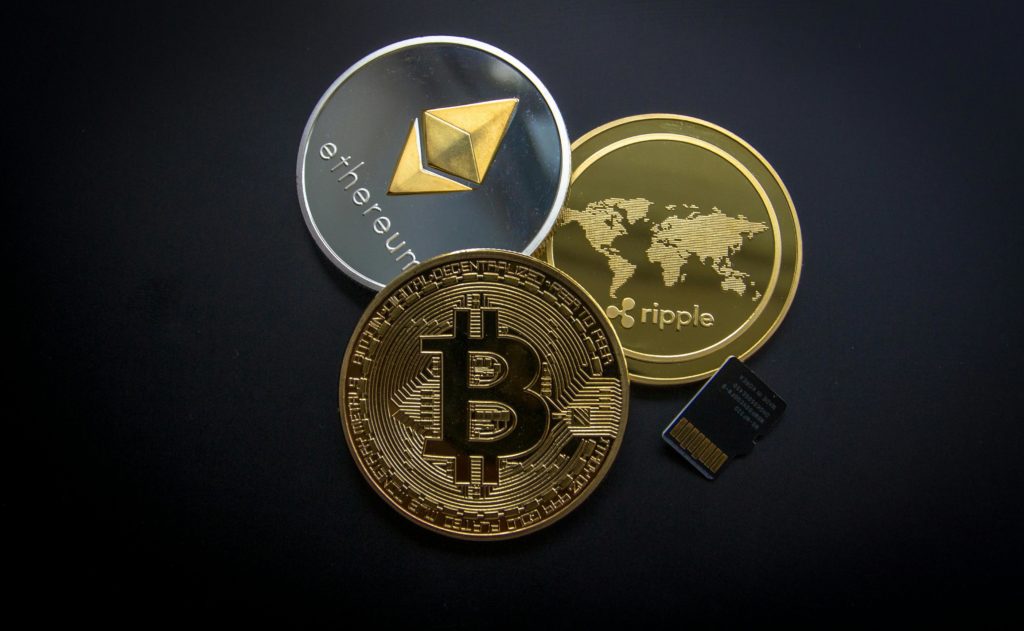
Bitcoin
Bitcoin, the world’s pioneering cryptocurrency, continues to captivate investors, regulators, and technologists alike as it navigates a landscape marked by volatility, innovation, and growing institutional acceptance. Despite its often dramatic price swings, Bitcoin remains a central figure in the evolving dialogue around digital assets and the future of finance.
Over the years, Bitcoin has transformed from a niche experiment into a multi-billion-dollar asset class. Its decentralized nature, limited supply capped at 21 million coins, and resistance to censorship have made it attractive as a “digital gold” — a store of value that many see as a hedge against inflation and economic uncertainty.
However, Bitcoin’s journey has been far from smooth. Its price is notoriously volatile, influenced by macroeconomic factors, regulatory developments, technological shifts, and shifts in market sentiment. Periods of rapid growth are often followed by sharp corrections, testing the patience and conviction of investors.
Despite these challenges, Bitcoin’s ecosystem has grown substantially. Institutional players, including hedge funds, corporations, and even governments, have begun to incorporate Bitcoin into their portfolios or consider it within monetary frameworks. This mainstreaming has brought both increased scrutiny and legitimacy.
Regulation remains a key theme. Authorities worldwide grapple with how to manage risks such as fraud, market manipulation, and illicit use while fostering innovation. The evolving regulatory environment can trigger significant price reactions but also signals maturation of the market.
Technological advances also shape Bitcoin’s trajectory. Developments like the Lightning Network aim to solve scalability and transaction speed issues, making Bitcoin more practical for everyday use. Additionally, growing integration with decentralized finance (DeFi) platforms points to expanding utility beyond a simple store of value.
For many proponents, Bitcoin symbolizes more than an investment — it represents a shift toward financial sovereignty, privacy, and a reimagining of money itself. Critics caution about its speculative nature and environmental concerns linked to energy-intensive mining processes, driving ongoing debates.
Looking ahead, Bitcoin’s path will likely continue to be defined by tension between innovation and regulation, adoption and skepticism. Its role as a financial asset is increasingly accepted, but its ultimate impact depends on broader technological and societal developments.
In a world searching for stability amid economic uncertainty, Bitcoin offers both promise and peril — a volatile beacon illuminating the future of money, challenging traditional systems, and inviting all to reconsider what value truly means in the digital age.