Beyond the Game: How Iconic Performances Turned Sporting Events into Global Cultural Moments
timepostnews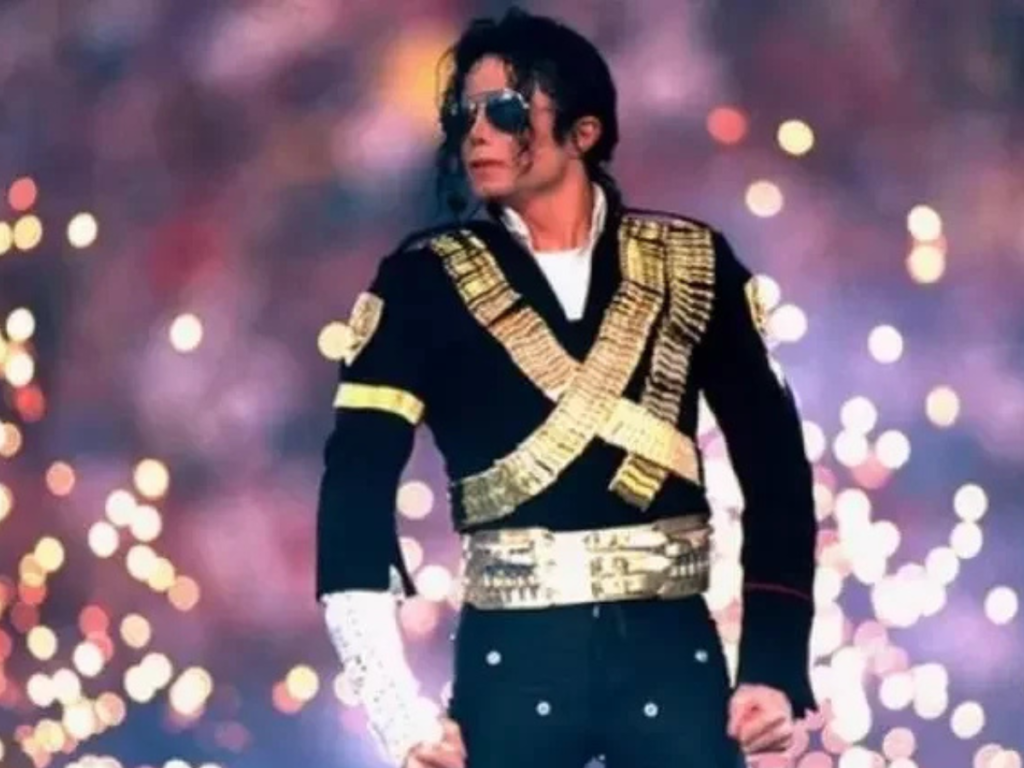
Michael Jackson
Major sporting events were once defined almost entirely by athletic achievement—record-breaking performances, dramatic finishes, and championship victories. Over the past several decades, however, the world of sports has evolved into something far broader: a global entertainment platform where music, performance art, and storytelling play a central role. Today, some of the most memorable moments in sports history have taken place not during the competition itself, but on the stages surrounding it.
A major turning point came with the transformation of the halftime show at the Super Bowl. What was once a modest intermission performance gradually evolved into one of the most watched musical showcases on the planet. Organizers began investing heavily in production value, inviting globally recognized performers and introducing large-scale staging, choreography, and advanced visual technology. The result was a new entertainment standard that reshaped expectations for sporting events worldwide.
One of the earliest performances widely credited with redefining the halftime spectacle was delivered by Michael Jackson. His appearance introduced cinematic storytelling, tightly synchronized choreography, and an unprecedented level of audience engagement. The performance demonstrated that the halftime stage could rival the scale and cultural impact of major concert tours, setting a template that future productions would follow.
Years later, artists continued to push the creative boundaries of these performances. Shows featuring stars such as Beyoncé incorporated powerful visual symbolism, intricate staging, and socially resonant themes, transforming halftime entertainment into a platform capable of addressing broader cultural conversations. These performances reached global audiences numbering in the hundreds of millions, reinforcing the idea that sporting stages had become some of the most influential entertainment venues in the world.
The same transformation can be observed in the ceremonies of the Olympic Games, where opening and closing celebrations have evolved into large-scale artistic productions that showcase national identity, technological innovation, and cultural heritage. Host nations invest years of planning and significant resources into these ceremonies, using them as an opportunity to present their history, traditions, and creative industries to a worldwide audience. The performances often combine music, dance, digital effects, and theatrical storytelling, creating moments that resonate long after the competitions end.
Beyond artistic expression, the rise of large-scale performance at sporting events has also transformed the economics of sports entertainment. High-profile performances attract global sponsors, expand international broadcasting opportunities, and help events reach audiences far beyond traditional sports fans. Younger viewers, in particular, are drawn to the fusion of sport and entertainment, reinforcing the commercial value of integrating music and cultural storytelling into major competitions.
Equally important is the social impact of these performances. Many artists have used the visibility of global sporting events to highlight themes such as diversity, equality, and cultural representation, demonstrating that these stages can function as platforms for meaningful public dialogue. By combining athletic competition with artistic performance, modern sporting events have evolved into cultural gatherings that reflect the values, tensions, and aspirations of the societies that host them.
In the contemporary media landscape, the world’s largest competitions are no longer defined solely by the action on the field. They are immersive global spectacles—events where music, performance, and sport converge to create shared cultural experiences that capture the attention of audiences across continents.