Armed Intruder Shot Dead at Trump Resort Sparks Debate Over Security Protocols
timepostnews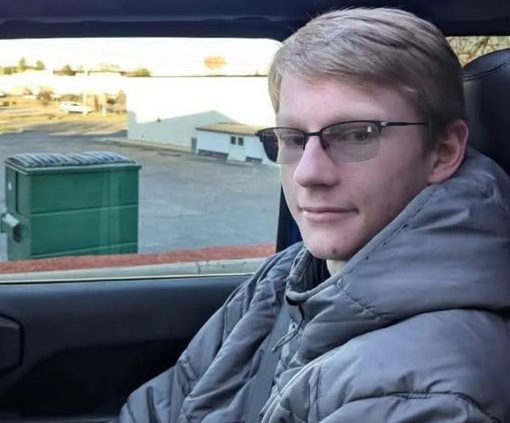
Austin Tucker Martin
A fatal security incident at a resort owned by former U.S. President Donald Trump has drawn national and international attention after federal agents confirmed they shot and killed an armed man who allegedly attempted to breach restricted areas of the property. The episode has reignited debate over the use of force by federal protective services and the broader challenges of safeguarding high-profile public figures.
According to officials, the confrontation occurred when an individual entered the grounds of the resort while carrying a firearm. The property, which is frequently visited by prominent political and business figures, is subject to heightened security measures, including the presence of U.S. Secret Service agents tasked with protecting designated individuals and sensitive locations.
Authorities stated that agents confronted the man shortly after he crossed into a secured perimeter. Verbal commands were reportedly issued, instructing him to stop, drop his weapon, and comply with security directives. Officials said the suspect did not obey those orders and continued advancing in what agents perceived as a threatening manner.
Faced with what they described as an imminent risk to life and safety, agents discharged their weapons. The man was pronounced dead at the scene. No Secret Service personnel or bystanders were reported injured during the incident.
Law enforcement agencies have launched a formal investigation to determine the full sequence of events and assess whether established protocols were followed. Standard procedure in such cases includes a review of body camera footage, surveillance recordings, forensic evidence, and witness testimony. The identity of the deceased individual has not been immediately disclosed pending notification of next of kin.
In a brief statement, federal officials emphasized that the Secret Service operates under strict guidelines governing the use of deadly force. These policies require that lethal action be taken only when there is a reasonable belief of imminent danger of death or serious physical harm to agents or others. Officials maintained that the agents’ response was consistent with those standards, though a comprehensive review is ongoing.
Security experts note that protecting former presidents and major political figures presents unique challenges. Properties associated with such individuals often function as both private residences and public venues, hosting events, guests, and staff while simultaneously requiring robust protective measures. This dual function can create complex security environments where rapid decisions must be made under pressure.
Civil liberties advocates, meanwhile, have called for transparency in the investigation. They argue that any use of lethal force by federal agents must be subject to thorough scrutiny to ensure accountability and public trust. In recent years, high-profile confrontations involving law enforcement have intensified discussions across the United States about proportional response and de-escalation practices.
The incident also underscores the broader tension between public access and private security. Resorts and clubs connected to political leaders often attract attention, supporters, and critics alike, increasing the likelihood of confrontations or attempted breaches. Security professionals stress that perimeter control, intelligence monitoring, and coordinated response planning are critical components in preventing violence.
As investigators work to reconstruct the events leading up to the shooting, officials have urged the public to avoid speculation. Additional details are expected once the review process is completed and findings are made public.
For now, the fatal encounter serves as a stark reminder of the high-stakes environment surrounding prominent political figures and the split-second decisions security personnel may face when confronted with a perceived armed threat.