Arctic Summit: Putin and Trump Confront the Future of the Ukraine War
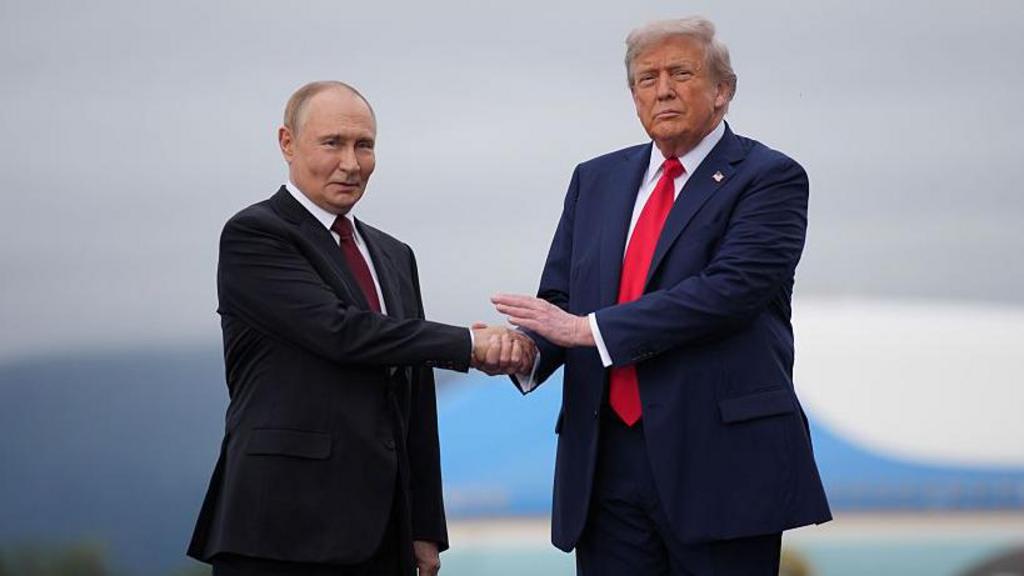
In a move that has caught the attention of governments around the world, Russian President Vladimir Putin and U.S. President Donald Trump met at a U.S. military base in Alaska to discuss the ongoing war in Ukraine. The encounter, held at the strategically located Joint Base Elmendorf-Richardson in Anchorage, marks Putin’s first visit to American soil in years and comes at a time of heightened global tension.
What was initially planned as a closed-door conversation between the two leaders quickly expanded to include senior diplomatic and security officials from both sides. U.S. Secretary of State Marco Rubio and special envoy Steve Witkoff joined the talks, alongside Russian Foreign Minister Sergey Lavrov and presidential aide Yuri Ushakov. The broader format underscored the complexity of the issues on the table and the potential stakes for both nations.
The primary goal of the summit was clear: to explore a path toward ending the conflict in Ukraine. For Trump, the priority is an immediate ceasefire, which he has repeatedly described as a prerequisite for any further negotiations. Putin arrived with the leverage of recent battlefield gains and a firm stance on territorial claims that Moscow insists must be recognized as part of any peace deal.
Choosing Alaska as the venue was more than a logistical decision—it was a calculated symbol. Positioned between the United States and Russia, the state’s geography evokes the tense Cold War era, when proximity often defined both strategic opportunities and dangers. The sight of F-22 Raptor fighter jets stationed near the red carpet for Putin’s arrival sent a clear message about the seriousness of the meeting and the balance of power on display.
Outside the base, protests unfolded in Anchorage. Demonstrators voiced support for Ukraine and denounced the prospect of any agreement perceived as legitimizing Russia’s military actions. The absence of Ukrainian President Volodymyr Zelenskyy from the talks sparked concerns about the legitimacy of any potential outcome, raising fears that decisions affecting Ukraine’s sovereignty could be made without Kyiv’s direct input.
Diplomatic observers note that the meeting’s outcome could reshape not only the trajectory of the war but also the broader relationship between Washington and Moscow. A breakthrough could open the door to a fragile peace and recalibrate global alliances, while failure might deepen hostilities and prolong the bloodshed.
For now, both leaders remain publicly cautious. Statements before the meeting suggested that neither side is prepared for significant concessions, but both recognize the political and strategic costs of an open-ended conflict.
As the talks continue behind closed doors, the world watches closely. The decisions made in Alaska could alter the course of the Ukraine war and redefine the geopolitical landscape for years to come. Whether the Arctic summit will be remembered as the start of peace or as another missed opportunity will depend on the willingness of two of the world’s most powerful—and polarizing—leaders to find common ground.