After Decades of Stalemate, EU–Mercosur Trade Deal Enters a Decisive Phase
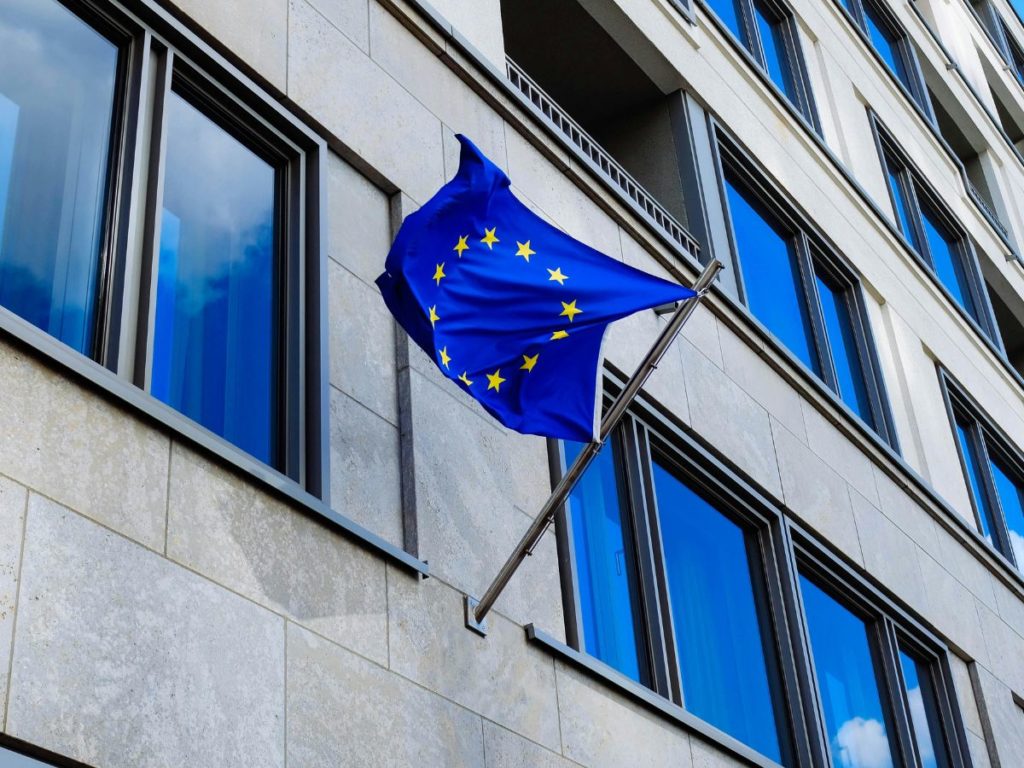
After more than two decades of difficult negotiations, the long-awaited trade agreement between Mercosur and the European Union has moved into a new and decisive stage, signaling a potential transformation in global trade relations. The progress represents a turning point in a process historically marked by political resistance, economic disagreements, and competing national interests on both sides of the Atlantic.
The agreement aims to create one of the largest free trade areas in the world, connecting South American and European markets and encompassing hundreds of millions of consumers. If fully implemented, the pact is expected to reduce or eliminate tariffs on a wide range of goods, promote investment flows, and strengthen economic ties between the two regions.
For Mercosur countries, the deal represents a strategic opportunity to expand access to one of the world’s most sophisticated consumer markets. Agricultural products, long considered a competitive advantage of South American economies, stand to gain broader entry into Europe. At the same time, industrial sectors hope to benefit from clearer rules, increased exports, and greater integration into global value chains.
On the European side, the agreement is seen as a gateway to a rapidly expanding market with significant demand for industrial goods, technology, and services. European manufacturers, particularly in sectors such as automotive, machinery, and pharmaceuticals, anticipate improved conditions to compete and invest in South America. Beyond trade, the pact is also viewed as a geopolitical instrument to reinforce partnerships in a world increasingly shaped by economic blocs and strategic alliances.
Despite the recent progress, the path toward full implementation remains complex. Resistance persists within parts of Europe, especially among countries with strong agricultural sectors concerned about competition from South American producers. Environmental standards, deforestation, and climate commitments have also been central points of contention, prompting negotiations to incorporate sustainability clauses and monitoring mechanisms into the agreement.
Supporters argue that the deal balances economic growth with environmental responsibility, establishing frameworks for cooperation on labor rights, sustainable development, and climate goals. Critics, however, warn that enforcement of such commitments will be crucial to ensure that economic benefits do not come at the expense of social and environmental standards.
The agreement now enters a phase that requires political endorsement and institutional ratification. National parliaments and European bodies will play a decisive role in determining whether the pact becomes fully operational. This stage is expected to test the political will of governments facing domestic pressure from sectors wary of increased competition or regulatory adjustments.
Beyond immediate economic impacts, the EU–Mercosur agreement carries symbolic weight. It underscores the relevance of multilateral cooperation at a time when protectionism and trade disputes have gained ground globally. For both blocs, the deal signals a commitment to dialogue, compromise, and long-term strategic partnership.
If concluded, the agreement could reshape trade flows between Europe and South America, stimulate investment, and redefine the role of Mercosur in the global economy. More than a commercial arrangement, it represents a statement about the future of international cooperation—one built on negotiation, shared interests, and the pursuit of mutual economic resilience.