
Ben Affleck and Matt Damon Face Defamation Lawsuit Over Netflix Crime Thriller
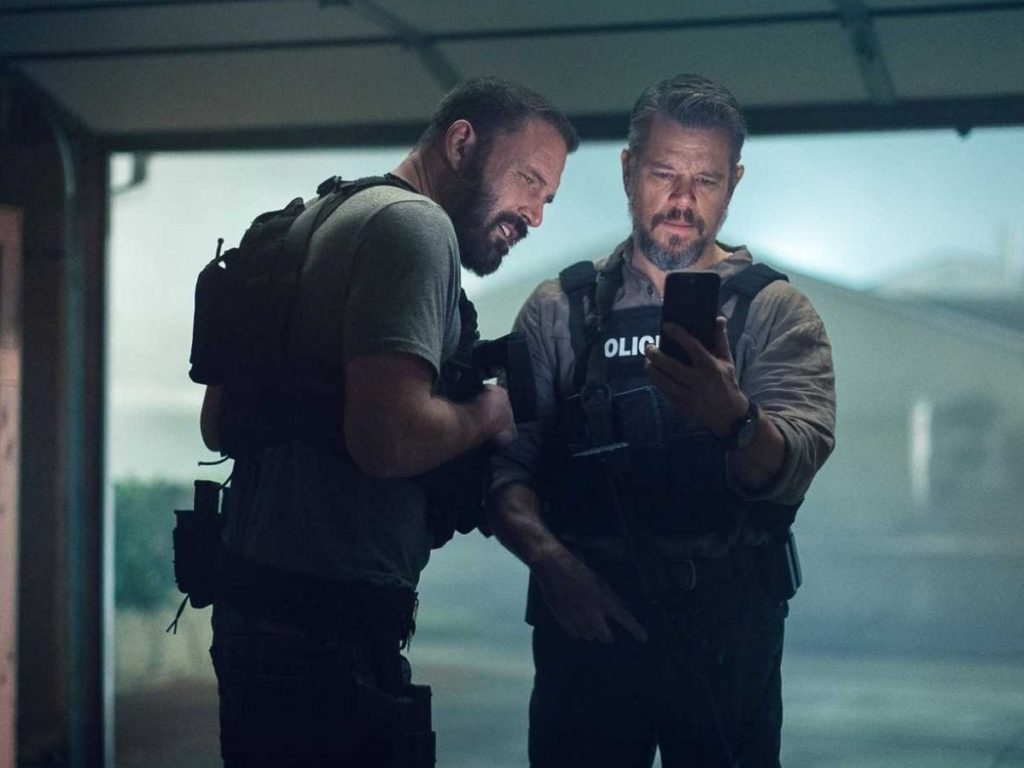
Hollywood stars Ben Affleck and Matt Damon are at the center of a growing legal controversy after two Miami-Dade police officers filed a defamation lawsuit connected to a Netflix crime thriller produced and starring the Oscar-winning duo.
The lawsuit claims the film, a gritty crime drama centered on corruption within a narcotics police unit, portrays fictional characters that allegedly resemble real-life officers involved in a major Miami drug-money investigation years ago. According to court filings, the plaintiffs argue that the movie’s narrative damaged their professional reputations by implying involvement in criminal activities, including corruption, theft, and violent crimes.
The case has quickly drawn national attention in the United States, reigniting long-standing debates in Hollywood about the legal and ethical boundaries of films “inspired by true events.”
The Netflix production, which became one of the platform’s most-streamed titles shortly after release, follows a group of officers who discover hidden cash during a raid connected to drug trafficking operations in South Florida. As suspicion and paranoia spread among the team, the story unfolds into a tense thriller involving betrayal, greed, and internal police conflicts.
Although the movie includes disclaimers stating that it is a fictionalized work inspired by real events, the officers behind the lawsuit claim several elements closely mirror an actual operation conducted in Miami-Dade County. They argue that similarities involving the amount of seized money, operational details, and character profiles make them identifiable to colleagues and members of the local community.
Legal experts say the dispute highlights the increasingly complex relationship between entertainment and real-life events in the streaming era. Films based on true stories often walk a delicate line between artistic interpretation and potential reputational harm, especially when audiences can connect fictional characters to actual individuals.
The controversy also places renewed focus on Artists Equity, the production company founded by Affleck and Damon. The company was launched with the goal of creating commercially successful films while giving creative teams greater participation in profits and production decisions. In recent years, the studio has become one of the most closely watched independent ventures in Hollywood.
Neither Affleck nor Damon has publicly commented on the lawsuit. Attorneys connected to the production reportedly maintain that the film is a fictional drama protected under free speech and artistic expression laws.
The legal action arrives at a moment when true-crime content and reality-inspired thrillers continue dominating streaming platforms across the United States. Audiences have shown strong interest in productions blending fiction with real criminal investigations, but critics argue that some projects blur the line too aggressively, potentially exposing studios and filmmakers to legal risks.
Industry analysts believe the lawsuit could become an important case for the entertainment sector, particularly as streaming services increasingly invest in dramatized stories rooted in real-world crimes and law enforcement operations.
Beyond the courtroom battle, the case is already generating widespread discussion throughout Hollywood, legal circles, and the broader media industry. It raises questions not only about creative freedom, but also about accountability when fictional storytelling intersects with real lives and public reputations.
As the lawsuit moves forward, the outcome could influence how future crime dramas are written, marketed, and legally protected in an entertainment landscape where audiences often expect “fiction” to closely resemble reality.