
Ban on Kanye West Triggers Festival Cancellation and Sparks Global Debate on Artistic Responsibility
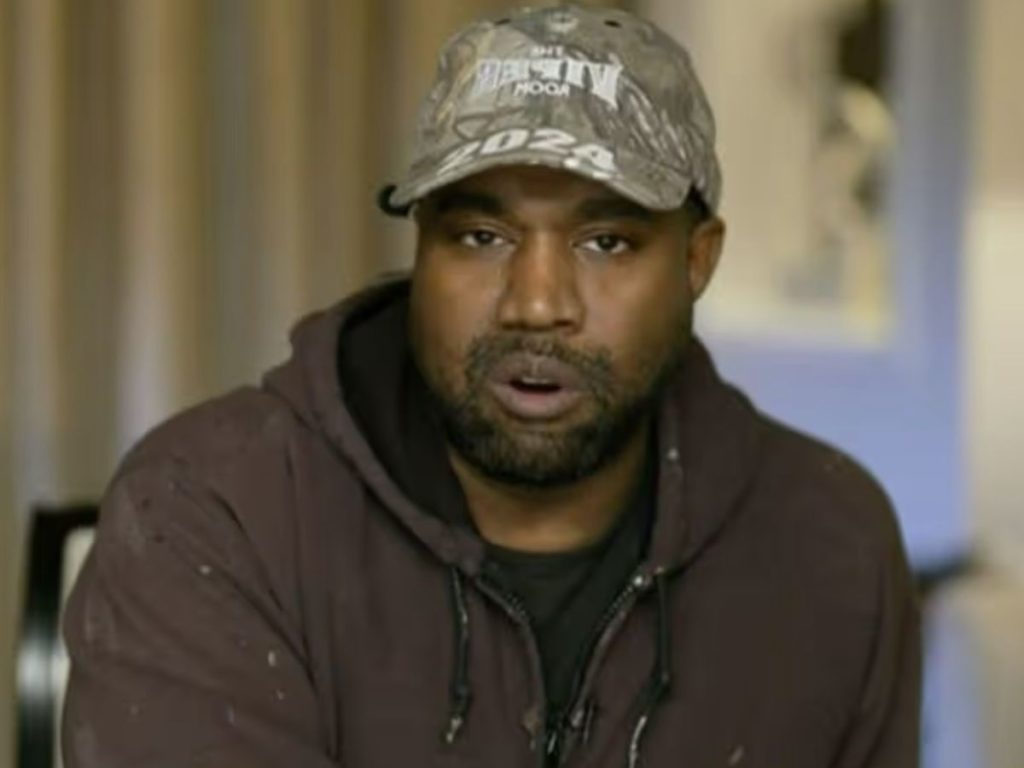
A decision by the United Kingdom government to deny entry to rapper Kanye West has set off a chain reaction across the international music industry, ultimately leading to the cancellation of one of the country’s largest music festivals. The artist, who was scheduled to headline the event, became the central figure in a controversy that made the festival’s continuation unfeasible.
Traditionally held in London, the festival is known for showcasing major names in hip-hop and urban music. With Kanye West announced as the main attraction, expectations were high for record-breaking attendance and significant economic impact, particularly in tourism, hospitality, and local commerce. However, the growing controversy surrounding the artist quickly overshadowed the event’s potential success.
British authorities based their decision on the rapper’s recent history of controversial public statements, which were deemed inconsistent with the country’s social values. Officials concluded that allowing his presence could conflict with the public interest and intensify social tensions.
Even before the official announcement, signs of instability were already evident. Sponsors began withdrawing their support, concerned about the potential reputational risks associated with the event. This exodus weakened the festival’s financial foundation, making its realization increasingly unlikely.
Following confirmation of the ban, organizers announced the complete cancellation of this year’s edition and assured ticket holders of full refunds. Behind the scenes, the consensus was that there was insufficient time to secure a replacement artist capable of matching the scale and appeal of the original headliner.
The episode has reignited an ongoing debate within the entertainment industry: where should the line be drawn between artistic freedom and public responsibility? The selection of performers for major events is now being scrutinized not only for talent and popularity but also for alignment with broader social and cultural values.
Despite recent attempts to rebuild his public image, including apologies for past remarks, Kanye West remains a polarizing figure. His ongoing controversies continue to have direct consequences on his international career and business opportunities.
Industry experts suggest that this case could mark a turning point in how large-scale events are curated and managed. Organizers are expected to adopt stricter criteria, weighing not only audience appeal but also reputational risks and alignment with sponsors’ expectations.
Additionally, the situation highlights the influential role governments can play in shaping cultural events, particularly when issues involving public discourse and societal values are at stake.
The cancellation represents not only a significant economic loss but also a clear indication of shifting dynamics within the global music industry. In an increasingly connected and socially aware world, individual actions and public statements can have immediate and far-reaching consequences.
As the industry evolves, the success of major events will depend not only on star power but also on the compatibility between artists’ public personas and the values upheld by society.