Strategic Escalation: U.S. Strengthens Military Presence in Qatar with Mobile Missile Systems Amid Tensions with Iran
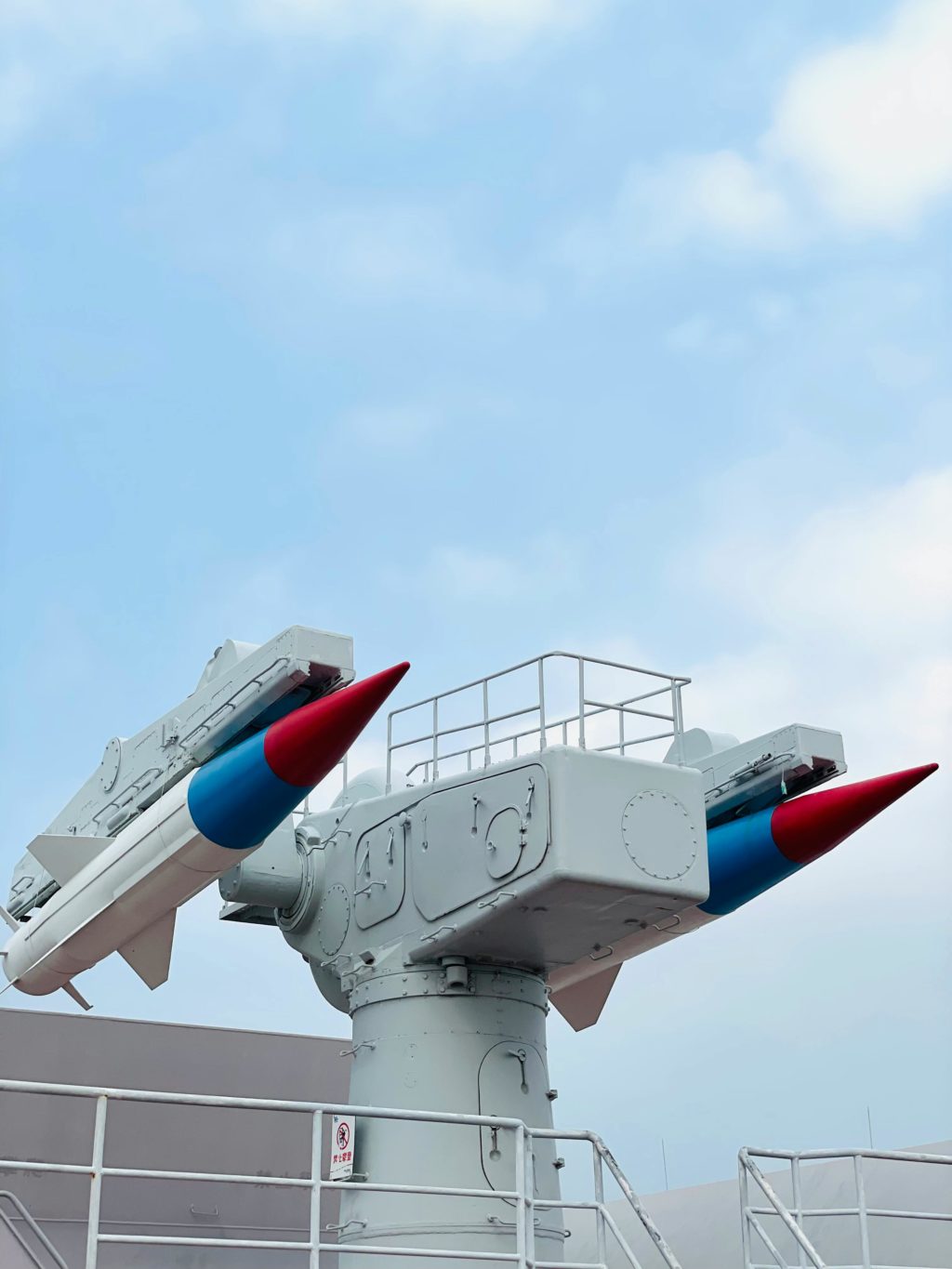
Amid rising tensions in the Middle East, the United States has reinforced its strategic military presence in the Gulf by deploying mobile missile defense systems to an air base in Qatar. The move is widely interpreted as part of a deterrence strategy and a preventive defense measure in response to the regional instability involving Iran and its allies.
The deployed systems are designed for high mobility and rapid response, allowing them to be repositioned quickly according to operational needs. This type of equipment is primarily used to intercept aerial threats and protect critical military installations, while also providing greater logistical flexibility to U.S. forces operating across the Middle East.
The selected base plays a central role in U.S. military operations in the region and hosts one of the primary advanced command centers for American forces. The addition of new defensive systems reinforces Washington’s commitment to protecting its troops and allied assets while signaling the capability for rapid response in the event of potential attacks.
Military officials emphasize that the deployment does not represent preparation for immediate offensive operations but rather a preventive step taken in light of increasing regional tensions. In recent weeks, political statements and military movements by various countries have heightened international concern over possible incidents involving foreign military installations in the Gulf.
Security analysts note that the adoption of mobile systems reflects an important shift in U.S. military strategy, favoring assets that are less vulnerable to direct attacks and capable of adapting to rapidly changing operational environments. Unlike fixed defense platforms, mobile systems can be relocated quickly to other bases or strategic areas, increasing defensive coverage across multiple locations simultaneously.
The decision also comes at a time of heightened global attention to energy and commercial shipping routes that pass through the Middle East, which are considered vital to the stability of the global economy. Any escalation of military tensions in the region could directly affect maritime transportation and international markets, increasing the geopolitical sensitivity of every military movement.
At the same time, diplomats from several countries continue to advocate for the maintenance of diplomatic channels in order to prevent further escalation. Analysts view the expanded presence of defensive systems as an attempt to balance the political message: demonstrating military readiness while avoiding clear signals of an intention for direct confrontation.
The U.S. deployment underscores the atmosphere of caution that currently shapes the Middle East, where strategic alliances, regional disputes, and energy interests continue to influence international security decisions. As governments closely monitor developments, the installation of mobile missile systems in Qatar becomes another symbol of the delicate military balance that defines the region, where shows of force and deterrence strategies remain central elements of contemporary global politics.