Power, Style and Reinvention: “The Devil Wears Prada 2” Signals a Bold Return
timepostnews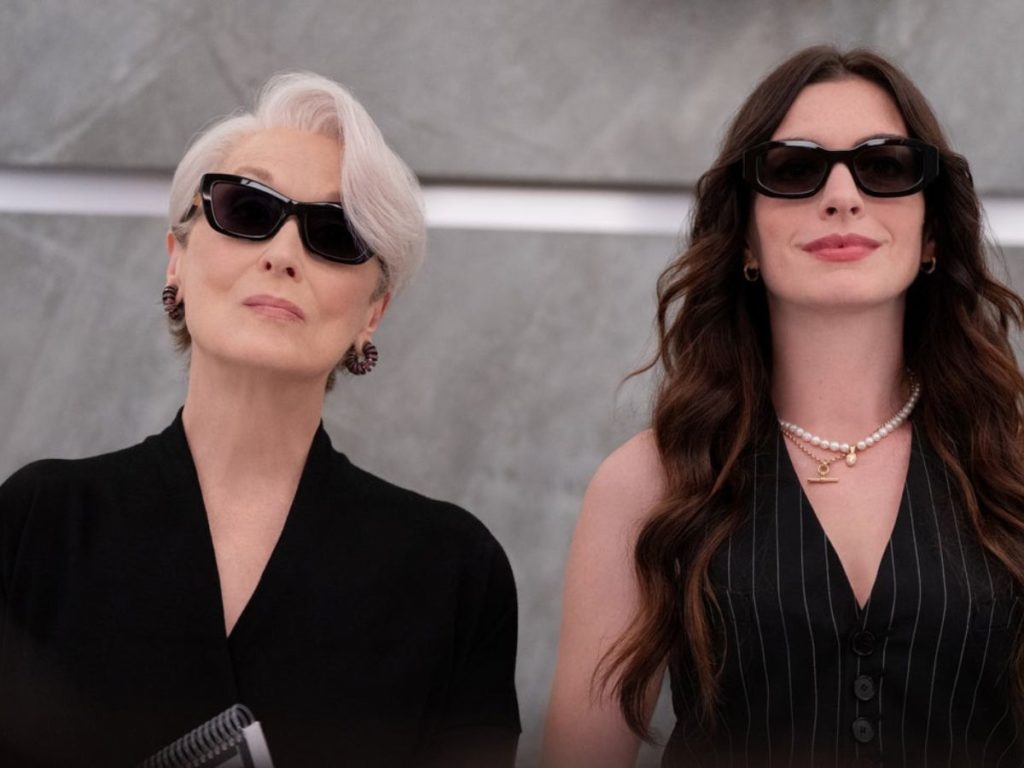
Maryl Streep Anne Hathaway
Nearly two decades after redefining how fashion, ambition and power could be portrayed on screen, The Devil Wears Prada returns with a sequel that promises more than nostalgia. The release of the official trailer and promotional posters for The Devil Wears Prada 2 signals a renewed dive into the high-pressure world of fashion journalism, now shaped by new rules, shifting hierarchies and an industry in constant transformation.
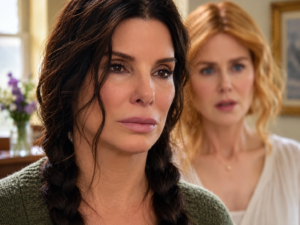
The new chapter reunites audiences with the iconic Miranda Priestly, once again portrayed with icy precision by Meryl Streep. Still commanding attention with a single glance, Miranda appears at the center of a media landscape far less predictable than the one she once dominated. The trailer hints at a woman who remains powerful but is now forced to navigate an industry disrupted by digital platforms, declining print influence and younger voices challenging long-established authority.
Opposite her stands Andy Sachs, played again by Anne Hathaway, whose journey takes a markedly different direction from her beginnings as an overwhelmed assistant. Now more confident and professionally established, Andy returns to Miranda’s orbit under circumstances that suggest unfinished business. Their reunion appears layered with tension, maturity and unresolved questions, reflecting how time reshapes ambition and personal choices without erasing past conflicts.
Emily Blunt’s Emily Charlton also returns, sharper and more assertive than ever. Once defined by relentless dedication and biting sarcasm, her character now seems positioned as a strategic force within the industry, possibly blurring the line between ally and rival. Stanley Tucci reprises his role as Nigel, bringing back the wit and emotional intelligence that once offered balance amid the ruthless environment of Runway magazine.
Visually, the sequel embraces the elegance that made the original film iconic. The posters emphasize clean lines, bold styling and the commanding presence of its characters, reinforcing the idea that fashion remains a language of power. At the same time, the aesthetic feels updated, reflecting a contemporary world where image is curated not only on glossy pages but across screens and social platforms.
Beyond its returning cast, the film introduces new characters that expand the narrative’s scope. These additions suggest generational contrasts and fresh perspectives on success, influence and creativity. The story appears poised to explore how authority is challenged, transferred or redefined in an era where relevance can shift overnight and reputation is constantly scrutinized.
The trailer balances sharp humor with dramatic undertones, echoing the tone that once set the franchise apart. Yet there is a noticeable thematic evolution. While the original film focused on personal sacrifice in pursuit of success, the sequel seems more concerned with legacy, reinvention and the cost of maintaining power over time. The question is no longer simply who survives the fashion world, but who adapts fast enough to remain in control.
Audience reaction to the early material has been intense, with viewers dissecting every frame for clues about shifting alliances and underlying conflicts. Expectations are high, not only for memorable dialogue and fashion moments, but for a story that reflects how ambition and identity evolve in a changing professional landscape.
Ultimately, The Devil Wears Prada 2 positions itself as more than a continuation. It is a reflection on endurance, influence and transformation, proving that some stories, like true style, never fade—they evolve.