Former FIFA President Warns Fans About Traveling to the U.S. for the 2026 World Cup
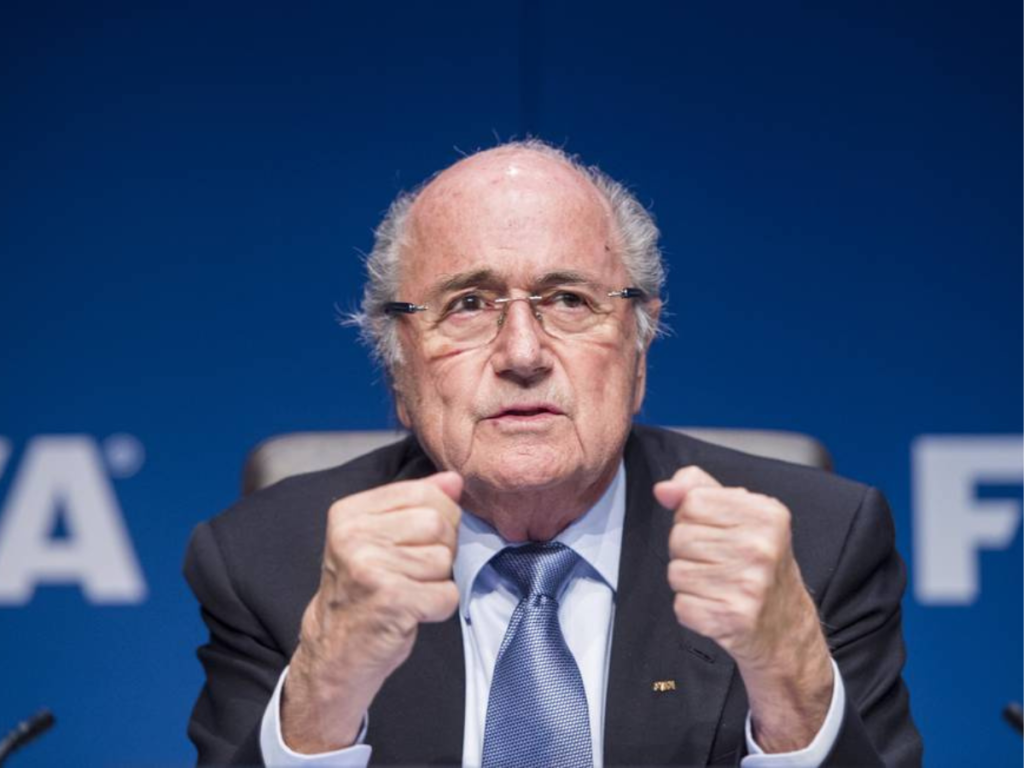
Joseph Blatter
A statement by former FIFA president Sepp Blatter has reignited international debate about the safety and political climate surrounding the 2026 FIFA World Cup, which will be jointly hosted by the United States, Mexico and Canada. In a public message that quickly reverberated across the global sports community, Blatter advised football fans to reconsider traveling to the United States to attend matches during the tournament.
Blatter, who led world football’s governing body for nearly two decades, shared his concerns by echoing arguments raised by a European legal expert known for his work on governance and corruption issues. According to this perspective, internal tensions in the United States, including episodes of social unrest, aggressive law enforcement practices and polarized political discourse, could pose potential risks for foreign visitors during a mass event of this scale.
The former FIFA chief stated that his warning was directed specifically at supporters planning to attend matches in American cities. While he did not call for an official boycott, his message was interpreted by many as a strong caution against traveling to the country for the tournament. The comments sparked immediate reactions, dividing opinions among fans, analysts and football officials worldwide.
Supporters of Blatter’s position argue that the United States faces unique challenges related to immigration policies, border control and security measures that could complicate the experience of international fans. Concerns about visa approvals, heightened scrutiny at entry points and the treatment of foreign nationals have been repeatedly raised in discussions surrounding the tournament’s organization. For many fans, particularly those from developing countries, uncertainty over entry requirements and personal safety has become a central issue when planning travel.
Critics, however, question the credibility of Blatter’s warning, noting his controversial legacy and past involvement in scandals that reshaped FIFA’s leadership. They argue that the United States has extensive experience hosting large-scale international events, including major sporting competitions, and possesses the infrastructure and resources needed to ensure security. From this perspective, Blatter’s remarks are seen as politically charged and potentially damaging to the image of the tournament.
Football authorities and organizers have largely maintained a cautious silence, emphasizing that preparations for the World Cup are progressing as planned. Officials involved in the event continue to highlight the opportunity the tournament represents for expanding football’s reach in North America and delivering an unprecedented global spectacle. With an expanded format featuring 48 national teams, the 2026 edition is expected to attract millions of visitors and generate significant economic impact across host cities.
The debate also reflects broader concerns about the intersection of sport and geopolitics. In recent years, major international competitions have increasingly been scrutinized not only for sporting excellence but also for issues related to human rights, security and political stability. Blatter’s warning fits into this wider context, where fans are more attentive than ever to the conditions surrounding the events they attend.
As anticipation for the World Cup grows, Blatter’s comments add another layer of complexity to an already ambitious project. Whether his warning will significantly influence fans’ travel decisions remains uncertain. What is clear, however, is that the discussion has highlighted the importance of transparency, security planning and clear communication with supporters worldwide.
The 2026 World Cup is set to be the largest and most logistically complex in history. Amid excitement and expectation, the controversy underscores how global football events extend far beyond the pitch, becoming reflections of broader social and political realities faced by host nations and the international community alike.