
US Tightens Pressure on Venezuela with New Sanctions on Oil Sector
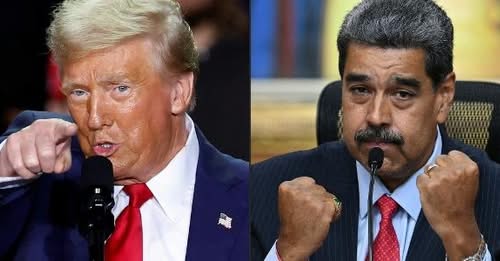
The United States has escalated its sanctions policy against Venezuela, targeting close relatives of President Nicolás Maduro, shipping companies, and tankers involved in transporting Venezuelan oil. The move marks a significant intensification of economic and diplomatic pressure on Caracas, aiming to restrict the government’s financial resources and address activities deemed illicit by Washington.
Among the targets are three nephews of First Lady Cilia Flores, whose assets have been frozen and who are barred from engaging in any financial or commercial transactions with U.S. individuals or institutions. The sanctions are intended not only to affect Maduro’s close family but also business figures and companies accused of facilitating the export of oil, Venezuela’s primary source of foreign revenue.
In addition to personal sanctions, six shipping companies and six large oil tankers linked to the transport of Venezuelan crude have been sanctioned. These vessels, including supertankers, are identified as part of a network that continued to export oil despite existing sanctions, often operating under flags of convenience and complex corporate structures that complicate tracking and enforcement.
The U.S. measures prohibit any transactions with the sanctioned parties by U.S. citizens, businesses, and financial institutions, while freezing any assets under U.S. jurisdiction. Officials emphasize that the goal is to cut financial flows that sustain a regime accused of corruption and engagement in illicit activities, including drug trafficking and regional destabilization.
The sanctions come amid escalating diplomatic tensions. Recently, a Venezuelan oil tanker was seized by U.S. authorities in an operation described by Caracas as “blatant theft” and a violation of sovereignty. The seizure heightened already strained relations between the two countries, both competing over control and influence related to Venezuela’s strategic oil reserves.
Analysts note that the U.S. strategy goes beyond isolated measures, forming part of a broader approach to limit the Venezuelan government’s ability to finance political and military operations. By targeting maritime logistics, which are crucial for oil exports, the sanctions increase operational complexity and financial risk for international operators involved with Venezuelan crude.
The Venezuelan government has condemned the measures as an attack on its sovereignty, accusing the United States of attempting to control the country’s natural resources through economic and legal instruments. Caracas stresses that the nation holds some of the largest oil reserves in the world and claims Washington’s actions aim to destabilize its economy.
The consequences of these sanctions are expected to unfold in the coming months, affecting export logistics, international contracts, and the broader global oil market. The situation underscores a period of intense geopolitical rivalry surrounding Venezuelan oil, highlighting the complexity of U.S.-Venezuela relations and the wide-ranging economic and political repercussions for the country and the international energy sector.