Netflix’s Historic Acquisition of Warner Bros. Discovery Reshapes the Global Entertainment Industry
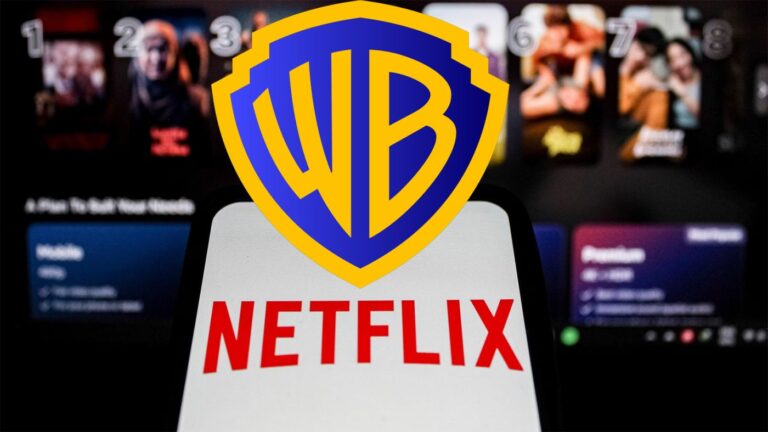
In one of the most significant moves ever recorded in the entertainment world, Netflix announced the acquisition of Warner Bros. Discovery (WBD) in a multibillion-dollar transaction that redefines the future of film, television and streaming. The deal, valued at more than eighty billion dollars, positions the platform as the most powerful force in global audiovisual production and distribution.
A New Era for Streaming Power
With the acquisition, Netflix expands its influence far beyond streaming. The company gains control of the legendary Warner Bros. film studios, its television division, and the entire portfolio of productions previously housed under WBD. This includes hundreds of iconic titles, beloved franchises, and culturally significant works that marcaram gerações.
Series and films conhecidos por seu impacto global passam agora a fazer parte do universo Netflix. This unprecedented increase in content not only strengthens the platform’s library, but also elevates its status to an all-encompassing entertainment powerhouse.
Behind the Deal: Value and Strategy
The agreement was structured in a mixed transaction involving cash and shares. Shareholders of Warner Bros. Discovery will also receive participation in the resulting corporate arrangement, marking one of the most complex and ambitious operations the entertainment sector has ever seen.
One of the terms of the deal includes a strategic corporate restructuring: part of WBD’s television networks will be separated into a new independent company before the transaction is fully completed. This ensures a smoother regulatory process and allows the transition to occur in stages.
The acquisition is being compared to other major entertainment mergers of the past, but even within this competitive landscape, it stands out for its scale and the weight of the companies involved.
Industry Impact and Global Implications
The merging of two media giants reverberates across the global market. With Netflix now holding one of the richest and most influential content catalogs in the world, competition in the streaming sector will inevitably intensify. The consolidation raises questions about future licensing, exclusivity agreements and the role of traditional cinema in an era dominated by digital platforms.
The move also signals a shift toward more vertical operations. Netflix now controls production, distribution and streaming within a single structure, granting the company unprecedented creative and strategic autonomy.
Regulatory Challenges and Market Concerns
As with any large-scale acquisition, the deal draws attention from regulatory agencies. Authorities around the world may examine potential risks of market concentration, ensuring that competition remains viable and diverse voices continue to have space in the entertainment landscape.
Specialists point out that integrating two massive companies with distinct cultures and workflows may present challenges. Netflix will need to balance innovation with stability, ensuring that the creative value of Warner Bros. is preserved while the platform continues to push toward digital leadership.
What It Means for the Audience
For viewers, the acquisition could result in a significantly richer streaming experience. Classic films, renowned series and major franchises may soon coexist in a single environment, simplifying access and broadening entertainment possibilities.
At the same time, the concentration of content under fewer companies sparks debate about the future of cultural diversity, independent production and the availability of varied storytelling formats.
With this bold step, Netflix reinforces its dominance and establishes a new standard for entertainment conglomerates. The outcome of the integration and the regulatory process will shape the next chapter of cinema, television and streaming worldwide, inaugurating a transformative moment in how stories are created, shared and consumed.