
UFC Fighter Rejects “Elite Spectacle” at the White House: “I Couldn’t Care Less”
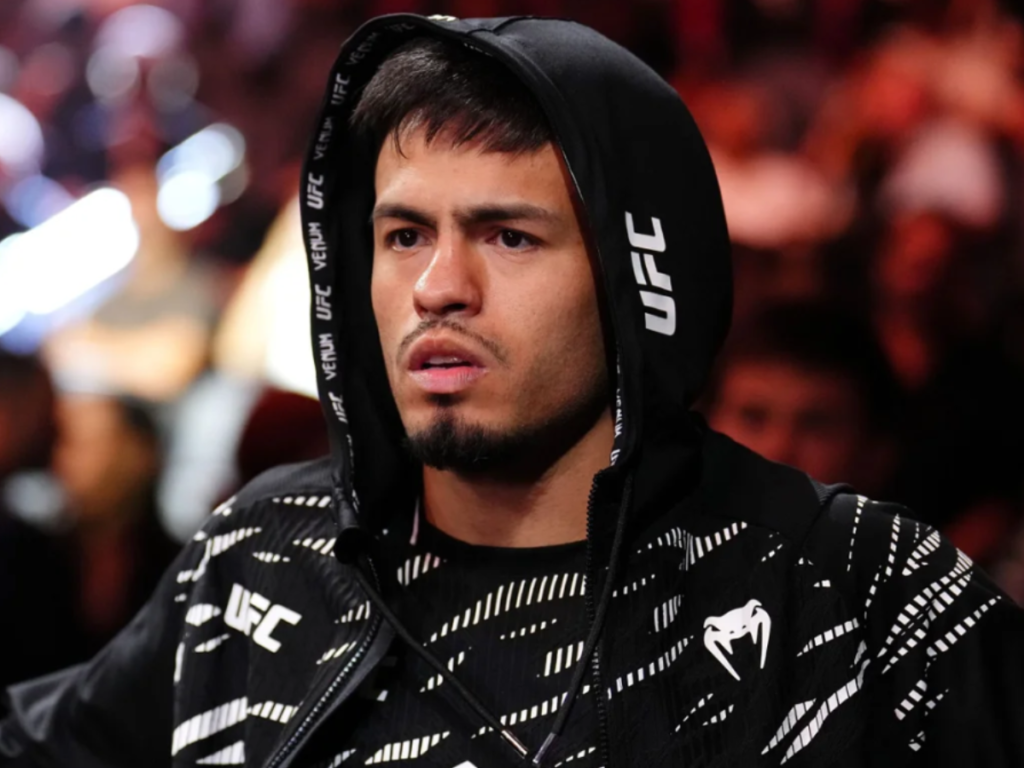
Brandon Royval
In a sport built on grit, sweat, and the relentless pursuit of victory, UFC fighter Sean Strickland has once again proven that his fight extends beyond the octagon. Known for his blunt honesty and disregard for political correctness, the athlete sparked controversy after publicly dismissing an exclusive UFC event held at the White House, describing it as “a party for billionaires.”
The fighter’s comments reignited debate about the growing distance between professional sports and the everyday realities of the athletes who make them thrive. Strickland’s words reflect a broader frustration shared by many competitors who feel disconnected from the glamorous side of the industry — the corporate dinners, the sponsorship deals, and the political gestures that often overshadow the raw essence of combat sports.
In his statement, Strickland made it clear that he values authenticity over appearances. For him, stepping into the cage represents something deeply personal — a struggle grounded in discipline and survival, not in aligning with elite gatherings or symbolic gestures of prestige. His choice not to attend the high-profile meeting wasn’t an act of rebellion, but rather a declaration of principles.
This defiant posture is consistent with his public persona. Strickland has built a reputation as one of the most outspoken figures in the UFC. While some see him as confrontational, others consider his candor refreshing in an era when many athletes are carefully molded by media training and corporate interests.
His critique goes beyond politics — it’s a reflection of class and culture within sports entertainment. The image of fighters risking their bodies for paychecks that pale in comparison to the profits of the organizations they represent stands in stark contrast to the lavish events where the same institutions celebrate success. Strickland’s statement, then, is less about refusing an invitation and more about exposing this imbalance.
In the modern UFC landscape, where athletes are both warriors and brands, Strickland’s rejection of the spectacle carries symbolic weight. It highlights the tension between authenticity and marketing, between the cage and the cameras. His stance invites a deeper reflection on the values shaping today’s sports culture: Who truly benefits from the glory? And at what cost to those who make the show possible?
While his words may not change the structure of the sport, they resonate with fans who admire honesty over diplomacy. In a world where appearances often outweigh convictions, Strickland’s refusal to play along may not earn him a seat at the table — but it solidifies his place as one of the few voices in combat sports unafraid to speak his truth.
At the end of the day, the fighter’s message is simple: respect cannot be bought, and authenticity doesn’t need a spotlight.