Faith in Focus: The Vatican Steps Into the Spotlight With World Cinema
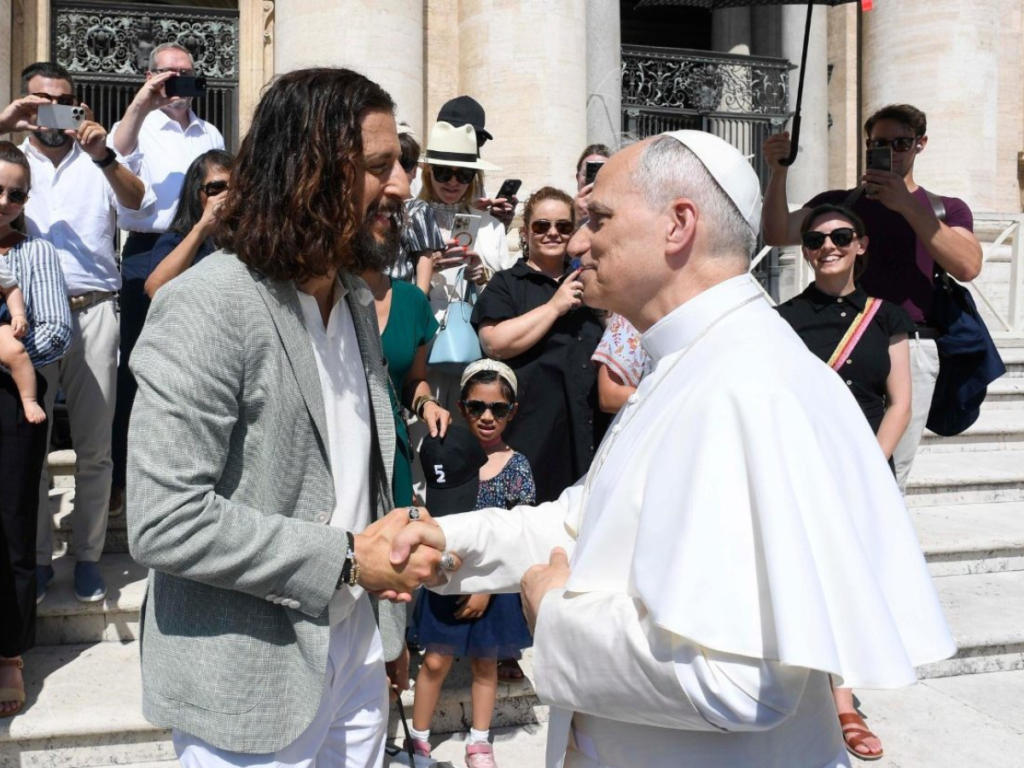
In a move that bridges spirituality, culture, and artistic expression, Pope Leo XIV has invited a distinguished group of actors and filmmakers to the Apostolic Palace for a historic dialogue between the Church and the world of cinema. The encounter signals a shift in the Vatican’s cultural diplomacy — one that recognizes film as a powerful medium to convey human values, empathy, and moral reflection.
The initiative aims to build a bridge between faith and the creative industries, highlighting the shared mission of storytelling and the search for meaning. By opening its doors to global artists, the Vatican takes an unprecedented step: transforming cinema from mere entertainment into a spiritual conversation partner.
The event brings together Oscar-winning actors, visionary directors, and producers known for their humanistic and social narratives. For many of them, this represents the first time that the Church has extended a genuine invitation for dialogue rather than offering distant acknowledgment. The meeting will not only celebrate cinematic artistry but also explore how films can foster solidarity, compassion, and an awareness of the dignity inherent in every person.
Pope Leo XIV, known for his appreciation of classic films that explore human vulnerability and moral complexity, plans to present four movie titles that have personally inspired him. Each chosen work reflects a different dimension of humanity — from suffering and forgiveness to resilience and hope. His message will emphasize the emotional and ethical power of cinema as a tool capable of transforming hearts and shaping consciences.
For the global film community, the invitation represents a moment of institutional recognition — a sign that the Vatican views cinema not as a potential threat to faith but as a vital expression of it. For the Church, the gesture is equally strategic: embracing the visual language of our time to communicate timeless truths. In an era dominated by images and screens, storytelling becomes a modern form of preaching — one that transcends doctrine and reaches audiences through emotion and empathy.
Still, the encounter raises intriguing questions. Can the world of film — with its glamour, commercial logic, and creative freedom — truly coexist with the moral frameworks of the Church? And can the Vatican sustain such openness without compromising its own spiritual identity? Supporters of the initiative believe that the dialogue itself is the answer: art and faith, when brought together, illuminate each other rather than compete.
Regardless of the practical outcomes, this meeting already carries deep symbolic weight. It signals that the Vatican intends to reposition itself in the cultural landscape — not as a distant observer but as an engaged participant. By embracing cinema, the Church acknowledges that moral influence today often comes through storytelling, emotion, and shared experience.
As the world watches this unprecedented encounter unfold, one message becomes clear: the red carpet can indeed lead to the altar. In this new chapter, faith takes the stage, the lights dim, and the reel begins — because sometimes, salvation comes through the story we tell.