
The Quiet Victor: How Xi Jinping Let Trump Celebrate — and Still Came Out Stronger
Xi Jinping
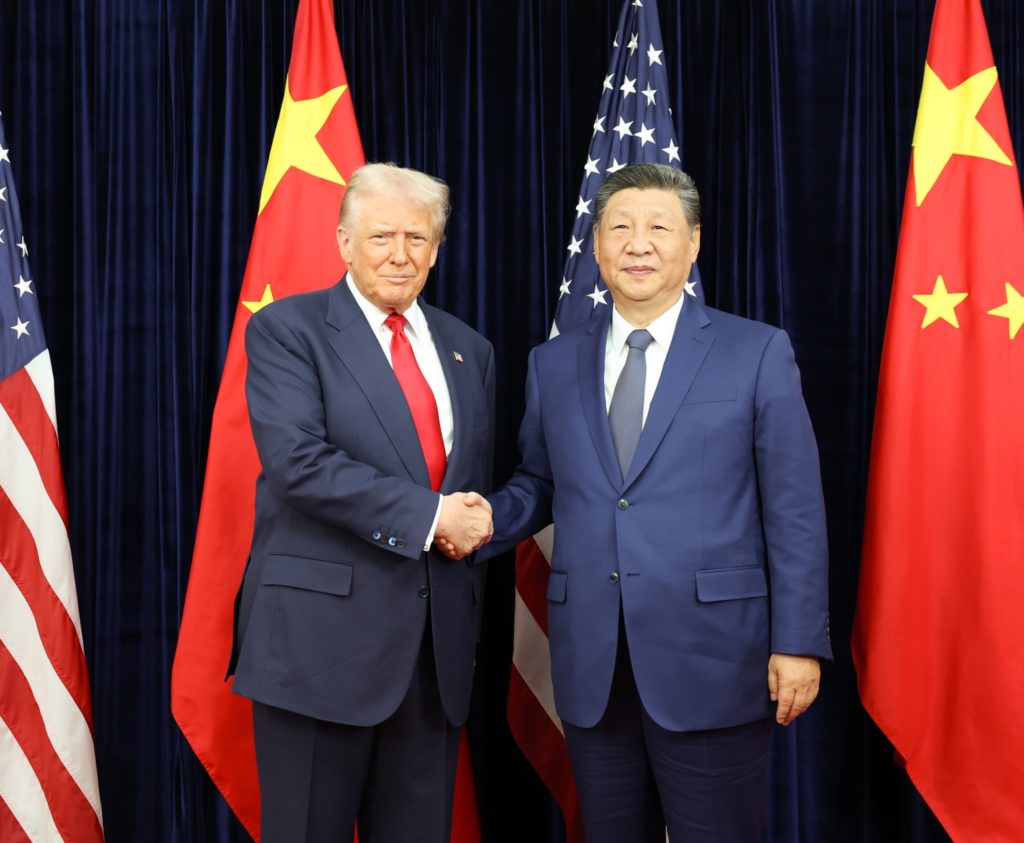
In the high-stakes meeting between the two most powerful leaders on the planet, Xi Jinping emerged not only unscathed but strategically stronger, even as he allowed Donald Trump to claim a public victory. What may appear as diplomatic generosity on Xi’s part is, in truth, a calculated move by a leader who plays the long game — one who understands that power in global politics is often about patience, not spectacle.
Trump, ever eager to seize the spotlight, touted the encounter as a major success. He highlighted supposed concessions from China — tariff reductions, expanded access for U.S. exporters, and gestures of goodwill toward American industries. Yet behind the scenes, Xi appears to have given up little of real consequence. By conceding symbolic wins, the Chinese president strengthened his position both internationally and at home, demonstrating that flexibility can be a powerful expression of control.
Xi’s strategy reflects a core principle of Chinese diplomacy: yield where the cost is low, resist where the stakes are high. While Washington sought immediate results to satisfy domestic political goals, Beijing played for time. China’s leadership understands that geopolitical strength comes from structural resilience — a diversified economy, robust technology sectors, and a disciplined political narrative.
By allowing Trump to dominate headlines with his self-proclaimed “triumph,” Xi secured what he truly values: stability and the preservation of China’s long-term strategic objectives. For Beijing, this meeting was less about short-term negotiation wins and more about projecting calm authority in the face of American volatility. The Chinese president’s restrained demeanor contrasted sharply with Trump’s celebratory tone, underscoring two opposing leadership styles — one impulsive and image-driven, the other deliberate and forward-looking.
Within China, Xi capitalizes on such moments to reinforce his image as a strong and steady hand guiding the nation through turbulent global waters. His message to domestic audiences is clear: China will cooperate when it suits its interests but will never compromise on sovereignty or self-determination. This dual message — cooperation without submission — strengthens China’s position in an increasingly multipolar world.
For Trump, the optics may look favorable in the short term. His supporters see a leader who extracted gains from a geopolitical rival. But as history often shows, the immediate glow of political victory can fade quickly when underlying realities assert themselves. The real outcome of this meeting is not measured by press conferences or celebratory tweets, but by which nation emerges with more strategic leverage months and years down the line.
In that sense, Xi’s victory lies in his restraint. By avoiding confrontation and letting Trump dominate the narrative, he neutralized potential escalation while maintaining China’s momentum on the global stage. It’s a masterclass in quiet power — one where silence, composure, and timing speak louder than any declaration of triumph.
When the noise settles and the world looks back on this encounter, it may become clear that Trump won the headlines, but Xi won the game.