“Direct Line”: Brazil and the U.S. Reopen Channels to Ease Trade Tensions
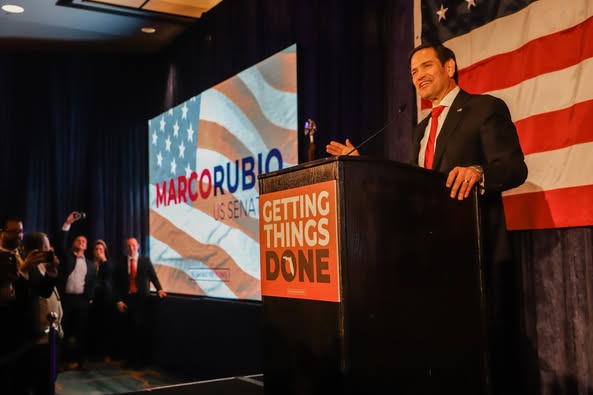
Marco Rubio
In a high-level diplomatic encounter loaded with strategic significance, the foreign ministers of Brazil and the United States met in Washington to ease mounting commercial frictions between the two nations. During just over an hour of conversation, both sides exchanged phone numbers — a symbolic gesture pointing to a renewed effort to rebuild trust and establish direct communication.
The discussion centered on trade tariffs, sanctions imposed on Brazilian officials, and the broader political and economic implications of these actions. The meeting represented an attempt to restore a pragmatic trade diplomacy amid the growing global struggle for economic and regulatory influence.
A Cautious Conversation on a Heated Agenda
At the heart of the meeting was what many Brazilian exporters call the “American tariff storm.” Amid rising geopolitical pressures, the U.S. recently threatened to raise tariffs on several Brazilian products, citing protection of domestic industries and alleged unfair trade practices. For Brazil, such measures strike directly at exporters, disrupt production chains, and challenge the stability of its trade balance.
Another sensitive point on the table involved sanctions targeting specific Brazilian political figures — an issue touching on national sovereignty and international norms. Both delegations acknowledged the need for “dialogue before retaliation,” an approach meant to prevent small disputes from turning into full-blown diplomatic crises.
When a Phone Number Becomes a Diplomatic Signal
The act of exchanging phone numbers, while seemingly mundane, carried deep diplomatic meaning. In relations between major economies, establishing direct and informal lines of communication can prevent misunderstandings, de-escalate tensions, and provide early warnings when conflicts arise. Diplomats described the move as a crisis-prevention tool — a way to manage disagreements before they spill into public statements or policy actions.
After the meeting, both governments released statements characterizing the conversation as “positive and productive,” reaffirming their commitment to cooperation on multilateral issues. Talks of a future presidential meeting were also floated, signaling the desire to mark a new chapter in bilateral relations.
Lingering Risks and Strategic Balancing
Despite the diplomatic warmth, uncertainties remain. Brazilian exporters still fear unpredictable U.S. regulatory shifts, while domestic industries push the federal government to protect their competitiveness. Within Washington, protectionist sentiment remains politically charged, making flexibility on trade a delicate balancing act.
For Brazil, re-engaging with the U.S. means walking a tightrope — maintaining diversified global partnerships while avoiding the perception of alignment with any single power bloc. For the U.S., it’s an effort to reassert economic leadership without alienating one of Latin America’s key partners.
Cautious Optimism, Real Challenges
Beyond diplomatic ceremony, the meeting underscored the deep interdependence shaping modern economies. The “direct line” symbolizes a shared willingness to prevent abrupt ruptures, yet its true value will depend on tangible results: regulatory convergence, trade predictability, and genuine respect for mutual sovereignty.
As both nations navigate the stormy waters of global trade, their success will hinge on consistency and trust. Whether this new connection endures — or breaks under future pressures — will define the next phase of Brazil–U.S. relations in an increasingly polarized world.