Bad Bunny Takes Center Stage: Reggaeton to Dominate the Super Bowl Spotlight
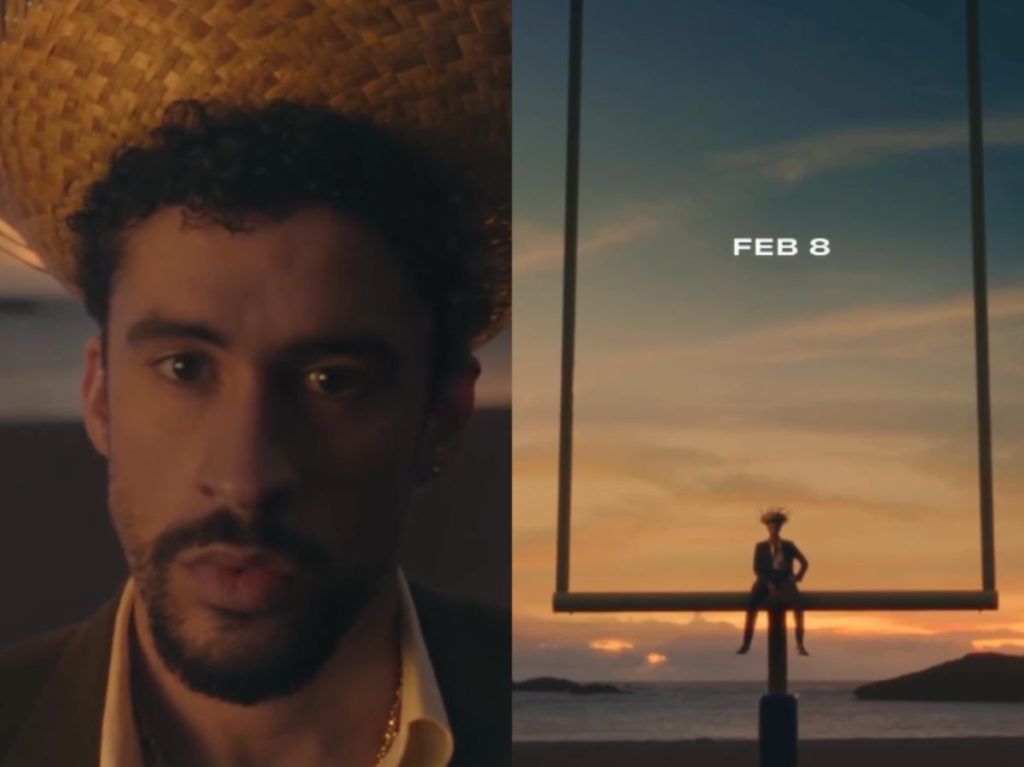
Bad Bunny
he Super Bowl halftime show, long considered the pinnacle of live entertainment, has chosen its next star: Bad Bunny. The Puerto Rican global sensation will headline the world’s most-watched musical stage, a decision that echoes far beyond sports and entertainment. It represents a cultural shift — one where Latin music and identity take the front seat in an arena historically dominated by English-speaking icons of pop, rock, and hip-hop.
A Cultural Milestone for Latin Music
Bad Bunny’s presence is more than a performance; it is a statement. Singing primarily in Spanish, he brings reggaeton and Latin trap into a space where cultural representation has often been limited. The decision validates the growing influence of Latin music across the globe and acknowledges the millions of fans who already view him as a generational voice.
The halftime show is not simply about music — it’s about symbolism. By giving a Puerto Rican artist this platform, the NFL is positioning itself closer to the cultural pulse of younger, more diverse audiences. It’s a bold step that speaks to shifting demographics and the undeniable global power of Latin rhythms.
Business, Strategy, and Risk
The halftime show is also one of the most lucrative marketing stages in the world. Brands and broadcasters see it as a gateway to massive exposure, and artists often experience immediate boosts in streaming, sales, and international visibility. Bad Bunny is already one of the most streamed artists globally, but this performance could push his reach to an entirely new level.
However, there are risks. The traditional NFL audience may not be familiar with reggaeton, and some viewers may resist a performance outside the mainstream English-language repertoire. The challenge lies in bridging cultures: delivering a show authentic to Latin music while ensuring it captivates the diverse global audience tuning in.
Anticipation and Criticism
With such a historic announcement, reactions are mixed. For many fans, Bad Bunny’s inclusion is overdue recognition of the Latin community’s impact on global culture. For others, the move raises questions about whether the NFL is leaning too heavily on cultural trends.
Bad Bunny’s authenticity has always been central to his appeal. The concern, for some, is whether the halftime show will pressure him into diluting his style for broader consumption. Balancing integrity with universal appeal will be a test on this massive stage.
The Artistic Challenge
Condensing a career’s worth of hits into a 15-minute show is no small task. The Super Bowl demands a spectacle: seamless transitions, bold visuals, choreography, and surprise guests. Bad Bunny’s creative direction will be crucial. Will he bring in collaborators? Will the performance carry political or cultural undertones, as some halftime shows have done in the past?
Whatever the choices, this is not just another concert. It is a moment of narrative construction — the chance to showcase Latin pride, musical innovation, and artistic ambition in front of hundreds of millions of viewers worldwide.
A Turning Point
Bad Bunny headlining the Super Bowl halftime show represents more than entertainment; it marks a turning point in cultural recognition. It tells a story of how far reggaeton has come — from the margins of urban neighborhoods to the most prestigious stage in American sports.
Whether embraced universally or debated critically, this moment will leave a mark. For Latin music, it could be the definitive leap into global mainstream permanence. For Bad Bunny, it will cement his place not just as an artist of the moment, but as a cultural force shaping the sound and identity of a generation.