
Behind the Curtain: The Corporate Battle That Silenced Jimmy Kimmel in Dozens of Markets
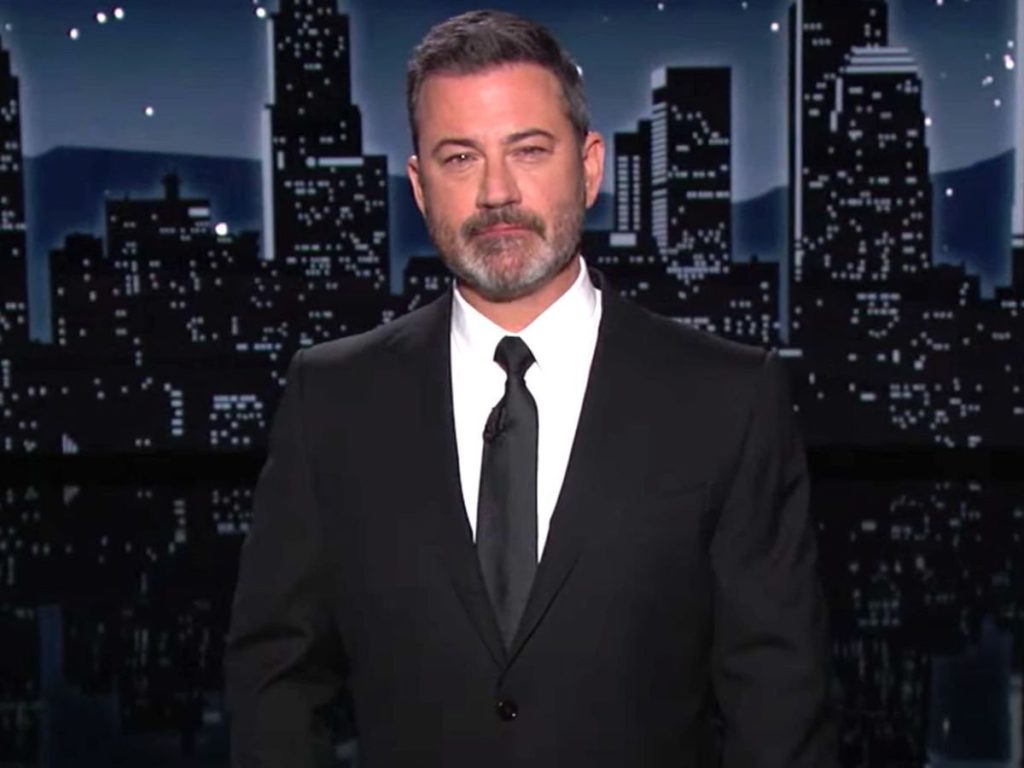
The return of Jimmy Kimmel to late-night television should have marked a moment of celebration for viewers and the network alike. Instead, it ignited a conflict that spilled far beyond the studio walls, placing corporate interests against creative expression and leaving millions of households without access to one of the most recognizable voices in American television.
A major broadcasting company, responsible for dozens of ABC affiliates across the country, chose to block the airing of “Jimmy Kimmel Live” in 39 of its stations. The decision, rooted in a dispute over contracts and content control, reflects a growing trend where business negotiations weigh more heavily than audience loyalty.
For viewers, the blackout is more than a minor inconvenience. In many regions, late-night talk shows remain one of the few spaces where current events are dissected with humor, critique, and cultural relevance. By pulling Kimmel off the air, the company effectively narrowed the spectrum of perspectives available to local audiences. It is a stark reminder that corporate strategies often dictate what the public can or cannot watch, regardless of the cultural impact of the program itself.
Behind the scenes, the standoff highlights an intensifying struggle between content creators and distribution giants. Networks rely on affiliates to extend their reach, while affiliates depend on national programming to maintain relevance. When disagreements over licensing fees, advertising revenue, or editorial control erupt, it is often the audience that bears the brunt.
Kimmel’s case is particularly emblematic because of his established position in American media. Known for blending comedy with pointed political and social commentary, his show has long served as a cultural barometer. Silencing that voice in dozens of markets not only disrupts entertainment but also curtails a form of civic conversation.
The move has also triggered unease among industry insiders. If a program as high-profile as “Jimmy Kimmel Live” can be pulled without hesitation, what does this mean for smaller productions? Independent shows, regional news programs, and emerging voices may find themselves even more vulnerable in a landscape where corporate calculations override artistic value.
While negotiations between networks and affiliates may eventually restore the broadcast, the episode underscores a deeper issue: the fragility of free expression within commercial media. In an era dominated by streaming platforms and shifting viewing habits, traditional broadcasters are fighting to preserve their financial foothold. But the aggressive tactics employed in this battle risk alienating the very audiences they seek to retain.
At its core, this dispute is not simply about a late-night host or a contract disagreement. It is a window into how entertainment, culture, and information are shaped by boardroom decisions. For millions of viewers, the absence of Kimmel from their nightly routine is a tangible reminder of who truly holds the power over what appears on screen.