
“Power Grab” or Institutional Standoff? Fed Governor Defies Trump’s Dismissal Order
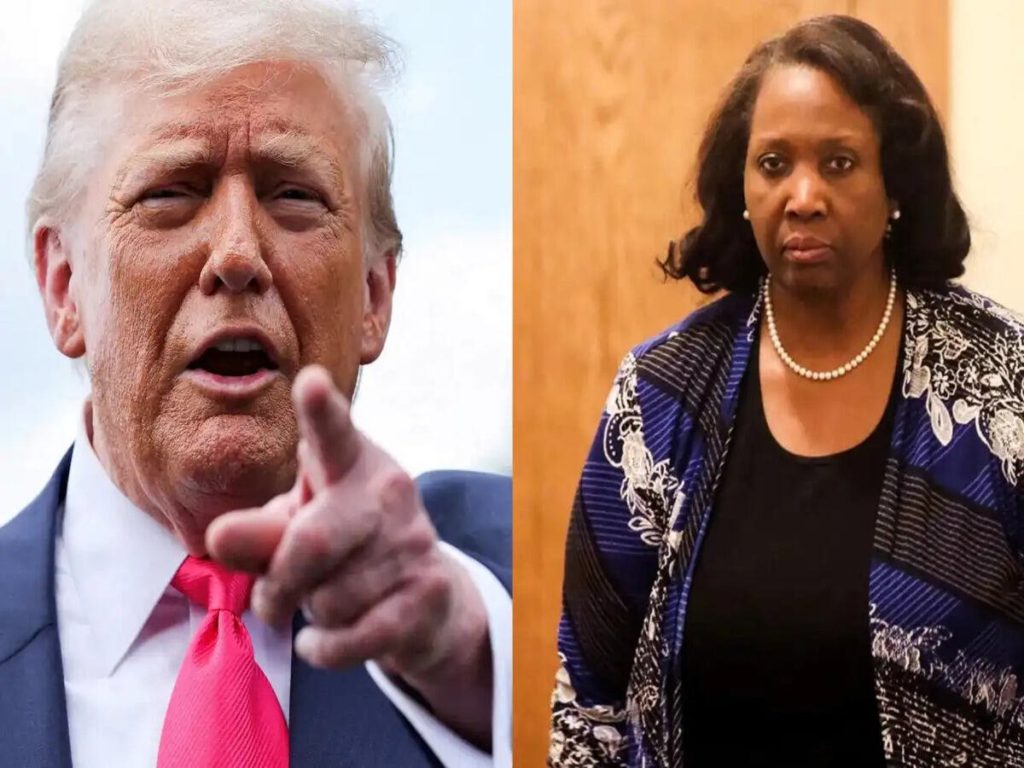
In an unprecedented move in the history of the Federal Reserve, the president announced the dismissal of one of its governors, citing “just cause” based on allegations of mortgage fraud. Yet the response was immediate and resolute: the governor refused to leave her position, challenging the legality of the action and taking the clash directly into the legal arena.
The governor in question, the first Black woman to serve on the board, was accused by federal authorities of declaring two different properties as her “primary residence” in mortgage documents, allegedly to obtain more favorable loan terms. The controversy led to a referral to the Department of Justice for potential criminal investigation.
On that basis, the president declared he had the authority to fire her and released a letter on social media announcing her “immediate removal.” However, the governor publicly rejected the decision, asserting that she would not resign and calling the dismissal attempt illegal—arguing, with her legal team, that the president does not hold unilateral power to remove a Fed governor.
To bolster her defense, she retained a prominent Washington attorney, who denounced the maneuver as authoritarian and without legal foundation, vowing to take all necessary measures to block the action.
The episode triggered a wave of outrage among political figures and policy experts. Democratic lawmakers called the move regressive, undemocratic, and discriminatory, highlighting the symbolic weight of silencing the first Black woman on the board. They warned of a dangerous precedent that could erode the independence of the central bank, a cornerstone of U.S. economic stability.
Supporters of the president, however, framed the attempt as a legitimate effort to restore credibility to the monetary authority, arguing that the institution must maintain unimpeachable integrity. Economists cautioned that if the independence of the Fed is undermined, global markets could respond with mistrust, driving up borrowing costs and complicating inflation control.
It is important to note that while the president has the authority to nominate members to the Federal Reserve Board, removing them is not part of his constitutional powers unless judicial proof of serious misconduct is established. This legal gray zone—between executive authority and institutional autonomy—seems poised to escalate quickly toward the Supreme Court.